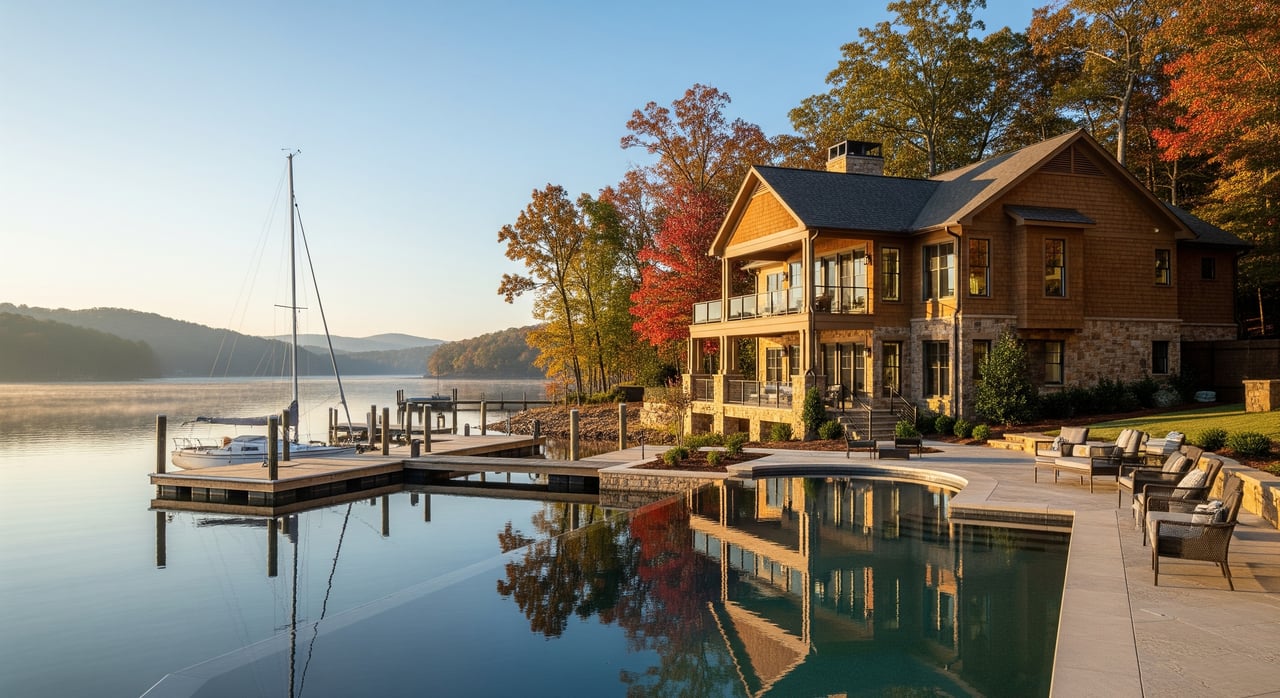
Thinking about timing your move around Lake Norman? You are not alone. Buyer energy, listing supply, and even how a dock looks can shift with the seasons. In this guide, you will learn how seasonality shapes pricing and days on market, what to expect in spring and summer, and how to plan like a pro whether you are selling or buying. Let’s dive in.
Why seasons matter at Lake Norman
Lake living is seasonal. Spring through early fall is peak boating and recreation, which means buyers can easily picture the lifestyle and test on-water amenities. Homes with usable docks, boat lifts, and great outdoor spaces show their best in this window.
Lake levels are managed and can change for maintenance or flood control. Shifts in water level may affect dock usability and shoreline appeal, which can slow decisions or require extra due diligence. Summer weather boosts activity, while late summer and fall storms can raise questions about insurance and mitigation. Local festivals and regattas also bring more visitors, including second-home shoppers, which adds to demand.
What shifts in spring and summer
Inventory and new listings
Many sellers list in late winter or early spring to capture buyer traffic and showcase curb appeal. Waterfront sellers often wait until docks and outdoor areas are at their best in spring and early summer.
Buyer traffic and showings
Showings typically rise in spring and summer. Buyers are more willing to tour lakeside homes and evaluate waterfront features when they can see them in use.
Days on market and pricing
With more buyers competing, days on market often shorten during the spring and summer surge. Waterfront and lake-view homes may achieve price premiums when inventory is tight in boating season. In the off-season, some listings may need incentives or price adjustments, and buyers may find better deals.
Offers and contingencies
When buyers view homes off-season, they may seek stronger protections around dock condition, shoreline stability, or flood risk because usability is harder to verify in winter.
Seller game plan by season
3–6 months out: late fall to early winter
- Tackle repairs and dock maintenance, and review HOA rules or permits.
- Schedule professional photography for peak season and consider aerial imagery for waterfront angles.
- Order pre-listing inspections for roof, septic, and dock to prevent delays.
1–2 months out: late winter
- Finalize staging and landscaping so outdoor areas shine.
- Target MLS launch for March or April to meet spring demand.
- Prepare flexible closing windows if buyers need time for dock or permit reviews.
Listing window: spring to early summer
- Highlight outdoor living, docks, boat lifts, and shoreline features in your marketing.
- If lake levels are low or a dock is not fully usable, disclose and document maintenance history and any management schedules so buyers understand timing.
Buyer playbook for peak and off-season
Buying in peak season
- You can test the lifestyle in real time, from dock access to outdoor flow.
- Expect stronger competition and quicker timelines.
- Be ready with financing and a plan for quick inspections.
Buying in the off-season
- You may face less competition and have more negotiating room.
- Plan for deeper due diligence on dock condition, shoreline, and access since water levels and use may differ in winter.
- Use local contractors for condition assessments when needed.
Smart contingencies to consider
- Dock and shoreline condition contingency or allowance for independent inspection.
- Flood insurance premium approval contingency.
- Clear language on what conveys, including dock structures, boat lifts, and equipment.
Lake-specific checks that influence deals
Waterfront homes have unique moving parts. Build these checks into your plan.
- Verify dock permits and maintenance history.
- Confirm flood zone designation and review the most recent maps.
- Ask for records of shoreline repairs, bulkheads, or erosion mitigation.
- Check septic inspection results or sewer availability, and request insurance estimates early.
- Review HOA covenants and any short-term rental or dock-use rules that could affect marketability.
Sample timeline for a spring launch
- December to January: Plan and schedule dock, septic, and roof inspections. Line up landscapers and photographers.
- February: Complete staging and exterior projects. Prepare disclosures, permits, and maintenance records.
- March to April: Go live on MLS, emphasize outdoor living in marketing, and be ready for high showing volume.
- May to June: Negotiate with clear terms on dock and shoreline items and keep contingencies and timelines tight.
How seasonality affects your bottom line
- In-season listings often benefit from stronger buyer traffic and faster decisions. That can reduce days on market and support higher sale-to-list ratios when inventory is lean.
- Off-season listings may need sharper pricing or seller credits, but serious buyers can deliver smoother negotiations.
- Interior homes follow similar patterns, though the effect can be more pronounced for waterfront because on-water amenities are easier to evaluate in-season.
Local metrics vary by year. The best approach is to review a recent monthly snapshot of new listings, active inventory, median price, sale-to-list ratio, and days on market for waterfront versus non-waterfront homes across the last 3 to 5 years. This view helps separate normal seasonal swings from one-off shifts.
How Darlene guides timing and presentation
Every season at Lake Norman tells a different story. A hands-on strategy helps you meet buyers when they are most engaged and your property looks its best.
- Pricing discipline: Align list price with current monthly trends by property type, waterfront status, and neighborhood.
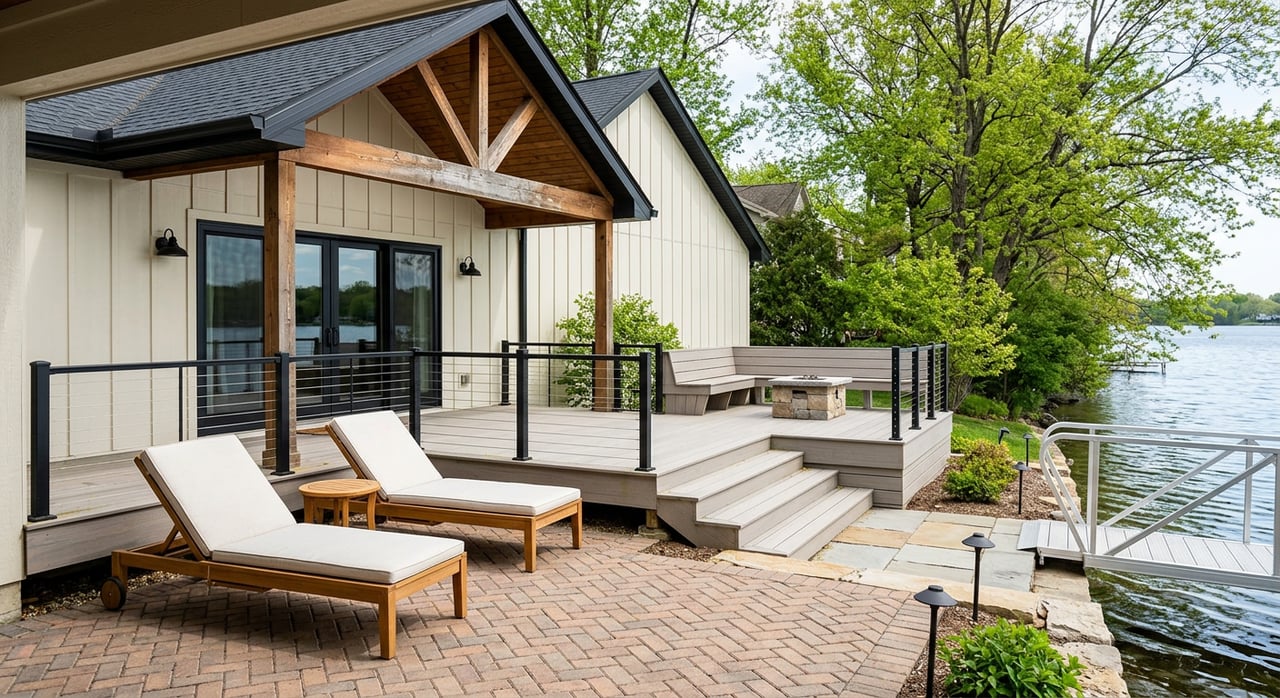
- Premium presentation: Showcase docks, decks, boathouses, and shoreline in their best light with professional photography and targeted marketing.
- Transaction clarity: Set expectations on dock permits, flood considerations, and any HOA or short-term rental rules to keep timelines smooth.
“I encourage clients to plan early so we are ready the moment the lake lifestyle comes into focus for buyers. Clean paperwork, great visuals, and a clear story about dock and shoreline condition can make all the difference.”
If you want tailored advice for your home or search, connect for a local plan built around your goals and the season ahead.
Ready to time your next move around Lake Norman? Reach out to Darlene (Sharon) Teeter for a friendly, data-informed plan that fits your timeline.
FAQs
What is the best month to list a Lake Norman waterfront home?
- Early spring through early summer typically sees the strongest buyer traffic, with many sellers aiming for a March or April launch to capture peak season activity.
Do low lake levels reduce buyer interest or price?
- They can, especially if a dock is not fully usable or shoreline looks less appealing; clear documentation of management schedules and maintenance history helps buyers understand context.
Do waterfront homes sell faster than interior homes in season?
- Often yes, because buyers can evaluate docks and outdoor living in real time, though results vary by year and inventory; reviewing recent monthly days on market by property type is key.
How much value does a dock or boat lift add?
- Docks and lifts often support stronger pricing and demand in boating season, but the premium depends on condition, permits, water access, and available inventory at the time of listing.
What inspections are unique to waterfront purchases at Lake Norman?
- Specialized dock and shoreline evaluations, septic inspections where applicable, and early flood insurance quotes are smart adds to a standard home inspection.
What permits apply to docks and shoreline work?
- Requirements vary by county and sometimes by municipality, and may involve multiple agencies; verify the existing permit status and consult local permitting offices before any work.
Do storms or hurricane season affect closings?
- Late summer and fall weather can slow waterfront transactions and raise insurance questions; building contingency time for coverage confirmation is prudent.