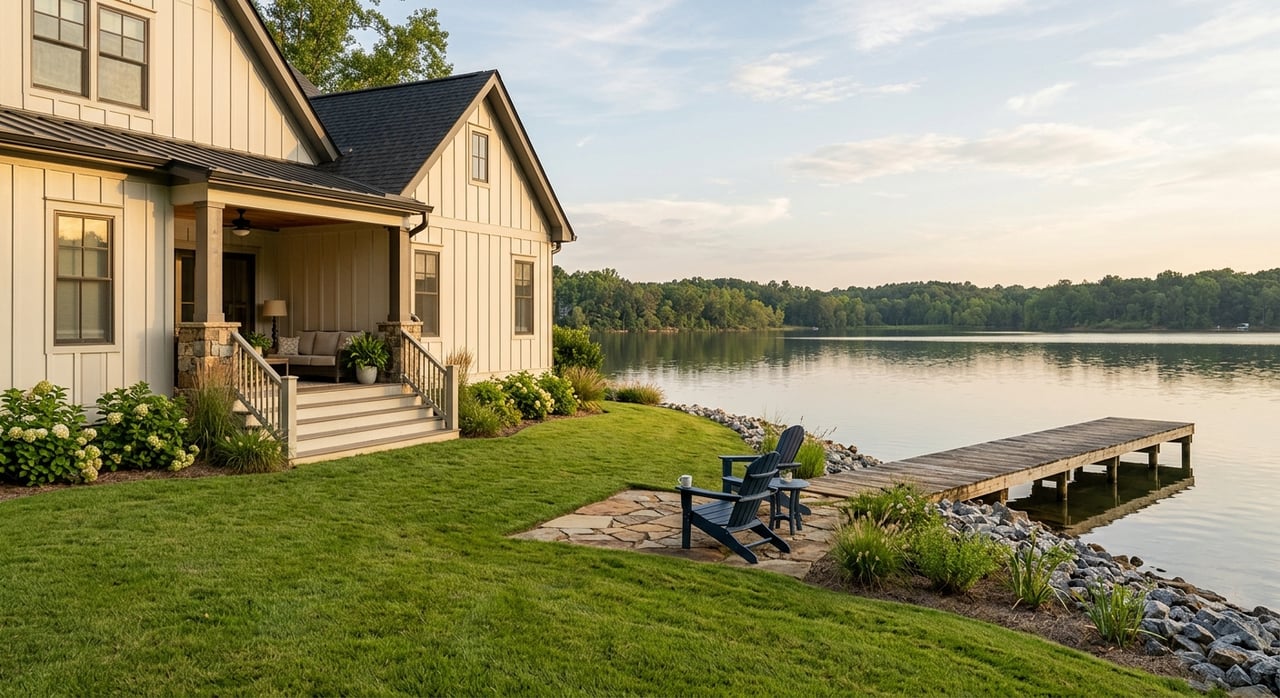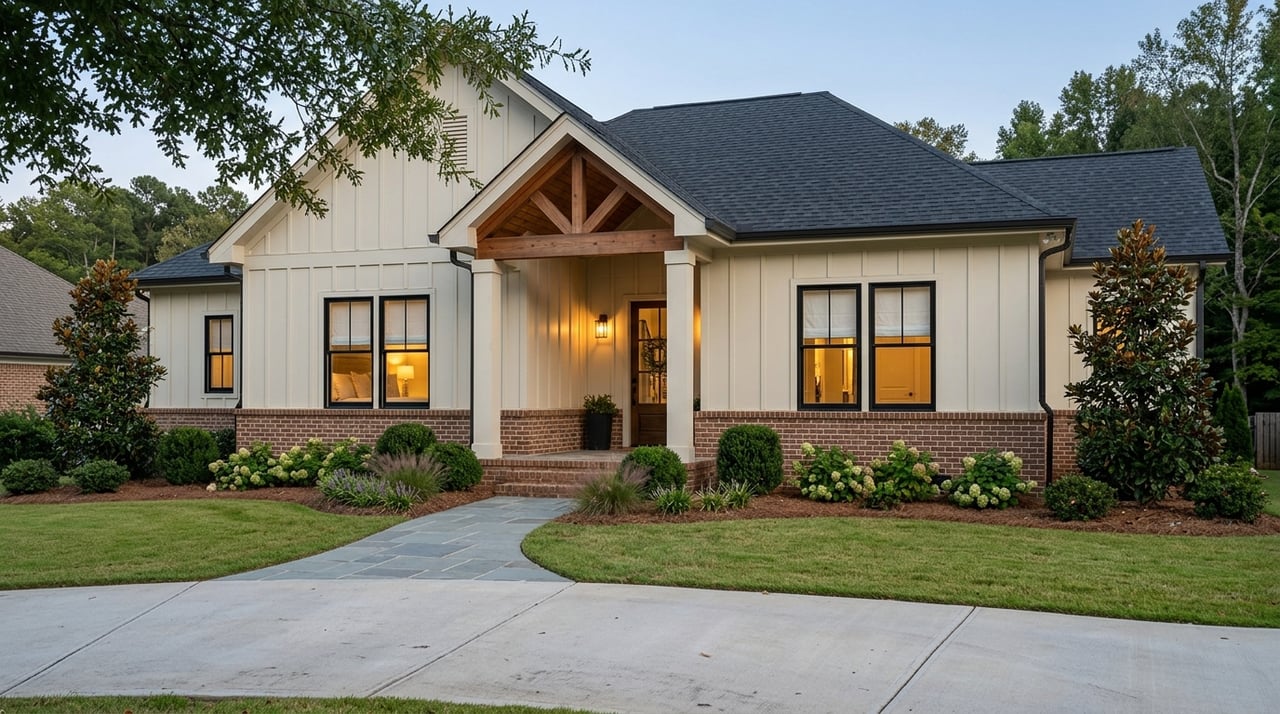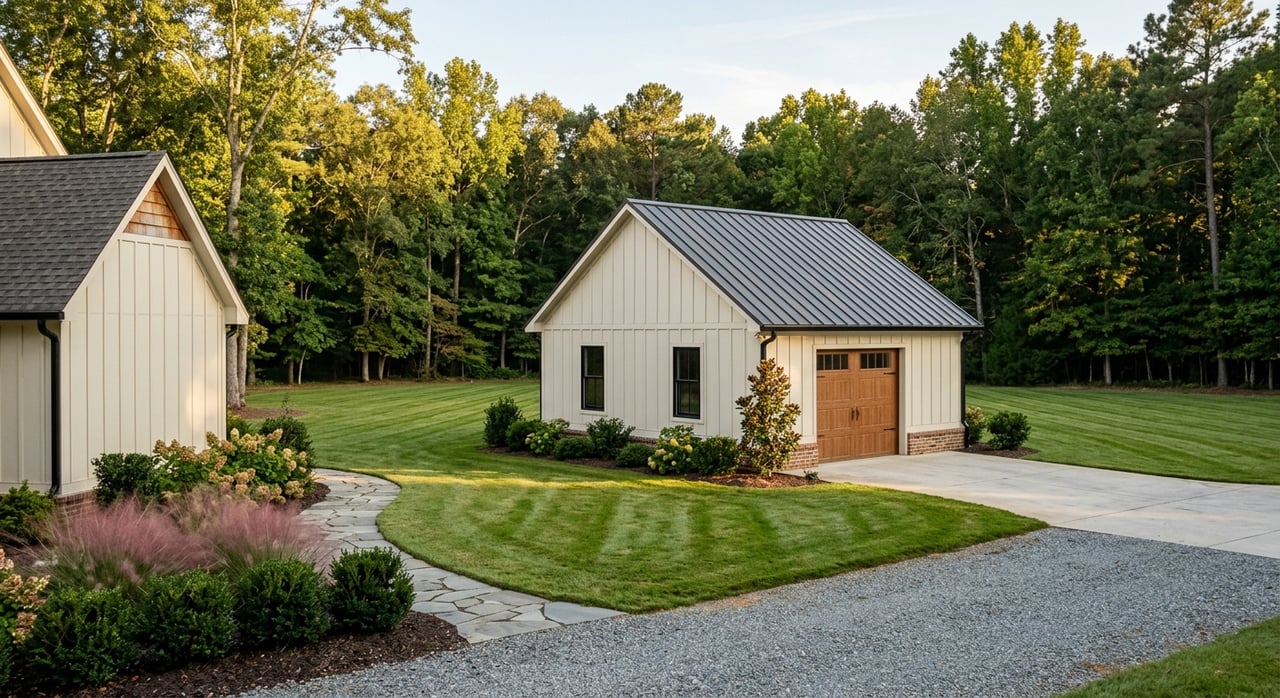
If you are selling a home with land in Randleman, the house is only part of the story. Buyers are often looking just as closely at the acreage, access, utilities, tax status, and future use options as they are at the home itself. When you know what affects value before you list, you can price more accurately, avoid surprises, and present the property in a way that makes sense to serious buyers. Let’s dive in.
Why land sales work differently
A home on acreage is not valued the same way as a typical neighborhood home. While Randleman’s median sale price was $266,000 as of February 2026, land-heavy properties are usually driven more by usable acreage, legal constraints, utility access, and layout than by area median pricing alone.
That means your sale may depend less on standard house comps and more on questions like whether the land can be divided, how much of it is buildable, and whether water, sewer, septic, or well options are available. For many buyers, those details directly affect what they are willing to pay.
Start with jurisdiction
One of the first things to confirm is which rules apply to your property. A parcel may fall inside the City of Randleman, within the city’s ETJ, or under Randolph County zoning, and those distinctions can change what a buyer may be allowed to do with the land.
According to Randolph County’s Citizens Guide to Land Development, most unincorporated land is zoned Residential Agricultural, which is a low-density rural classification. The City of Randleman planning office can help verify zoning, water and sewer availability, floodplain and watershed status, and addressing.
Before you set a price or market the property as having future potential, it helps to know exactly which jurisdiction controls the parcel. That step can keep you from overstating possibilities or missing value that should be highlighted.
Zoning shapes value
For a home with land, zoning is one of the biggest value drivers. Buyers may ask whether they can add another homesite, divide part of the tract later, keep agricultural use, or build additional structures.
Randolph County’s land-development guidance explains that subdivision rules can vary based on lot count and whether new roads, rights-of-way, easements, or utility extensions are needed. In other words, potential subdivision is not something you should assume from acreage alone. It needs a real review under the applicable rules.
If your property has possible division potential, that may help your marketing. But if that potential is uncertain, it is better to describe the opportunity carefully and support it with verified information.
Utilities matter more than many sellers expect
On acreage, utility questions can quickly become deal-making or deal-breaking. Buyers often want to know whether the home is served by public water or sewer, whether the property relies on a private well or septic system, and whether there is room or approval potential for future improvements.
Randolph County’s Central Permitting office handles zoning, building, electrical, plumbing, HVAC, well permits, septic applications, and certain special permits. The county notes that these records can be important for understanding what has already been approved and what may still need review.
If your home uses septic, having the septic permit and system layout available can help. The research also notes that soil and site conditions determine whether an improvement permit can be issued, which matters if a buyer is thinking beyond the current home.
For properties in or near the city, the Randleman planning office is the right place to verify public water or sewer availability. That simple check can add clarity early and save time later.
Floodplain and watershed limits can affect usable land
Acreage on paper is not always the same as acreage a buyer can fully use. If part of your property falls in a floodplain or within the Randleman Lake watershed, development and land disturbance may be limited.
North Carolina’s Randleman Lake watershed rules require local governments to protect riparian buffers and apply stormwater standards. The City of Randleman’s Unified Development Ordinance also notes that zoning references may include FEMA flood maps and watershed maps.
For sellers, this matters because a buyer may focus on the truly marketable or buildable portion of the tract, not just the total acreage. If some areas are restricted, it is better to understand that before marketing begins so your pricing and presentation reflect the property accurately.
Tax status can change the math
Acreage often comes with tax issues that do not show up in a standard home sale. If your tract has present-use value status, that can be important to both you and the buyer.
Randolph County explains that land in present-use value taxation is taxed based on current use rather than full market value. If the property loses eligibility, deferred taxes for the current year plus the previous three years can become due.
That means you should identify this status early if it applies. In some non-family transactions, the buyer may need an Affidavit for Continued Use to keep the classification and assume deferred tax responsibility. If the property also participates in the county’s Voluntary Agricultural District program, that may also matter to buyers who care about long-term agricultural use.
You should also know the current local tax structure. Randolph County lists 2025-26 tax rates of 0.50 for the county and 0.63 for the City of Randleman, with some parcels also subject to additional district taxes depending on location.
Documents to gather before listing
The more complete your documentation is, the smoother your sale can be. Land-heavy properties tend to bring more due diligence questions, so having records ready can build confidence and reduce delays.
At a minimum, it helps to gather:
- Survey or boundary evidence
- Septic permit and system layout, if applicable
- Well records, if applicable
- Permit history for the home and other improvements
- PUV or agricultural district documents, if applicable
- Any information about easements, access, or encroachments
North Carolina’s disclosure law requires owners in many residential transfers to address, or state no representation on, items such as water supply, sanitary sewage, zoning and land-use restrictions, encroachments, and environmental contamination. A separate mineral and oil and gas rights disclosure may also be required.
If your property has barns, sheds, additions, or other outbuildings, it is smart to confirm whether permits were issued if needed. Randolph County’s Building Inspections Department oversees permits, inspections, and code enforcement, and missing records can become a buyer concern during due diligence.
Market the property by function
When you sell a home with land, buyers need more than a total acreage number. They want to understand how the land actually works.
That means separating the tract into useful pieces when you market it, such as the homesite, yard, pasture, wooded area, driveway, storage space, and any likely future build area. This kind of presentation gives buyers a more realistic picture of the property’s value and day-to-day use.
Randolph County’s tax guidance defines market value in part by the uses to which a property is adapted, which supports this approach. In practice, usable land is often more persuasive than raw land totals.
Price with land reality in mind
Pricing a land-heavy property takes more discipline than applying a standard residential formula. A house may anchor value, but buyers often adjust what they will pay based on legal use, utility feasibility, access, and site constraints.
That is why a strong pricing strategy often uses both house comps and land comps when appropriate. It also weighs whether the property has features that are especially meaningful for acreage buyers, such as open pasture, wooded privacy, extra road frontage, or documented septic and survey information.
In Randolph County, homes sold at an average of 97.2% of list price in the cited market snapshot, but acreage tracts can vary much more because each site is unique. The better your documentation and positioning, the easier it is to defend your asking price.
Questions to ask before you list
If you are interviewing an agent for a home with land in Randleman, generic listing questions are not enough. You want someone who understands that this is both a home sale and a site-specific land sale.
Helpful questions include:
- How will you verify zoning, ETJ status, floodplain, watershed, septic, well, and access?
- Which comps will you use for pricing: house comps, land comps, or both?
- What documents should I gather before listing?
- If the tract might be divided, what approval path would apply?
- How will you market the usable acreage, not just the total acre count?
These questions matter because county and city rules can differ depending on roads, easements, utilities, and lot count. A detailed approach helps you avoid broad claims and position the property with more credibility.
A clearer path to a stronger sale
Selling a home with land in Randleman usually goes best when you treat it as more than a standard residential listing. Zoning, utilities, floodplain or watershed restrictions, tax classification, and documentation can all shape value and buyer interest.
When you prepare those details in advance, you create a better experience for buyers and a stronger negotiating position for yourself. If you want a thoughtful, high-touch strategy for presenting a unique property, connect with Darlene (Sharon) Teeter for a consultation.
FAQs
What makes selling a home with land in Randleman different from selling a typical house?
- A home with land is often valued by usable acreage, zoning, utility access, tax status, and legal constraints, not just by nearby house sales.
What should a Randleman seller verify first for a property with acreage?
- You should first confirm whether the property is in the City of Randleman, the ETJ, or Randolph County jurisdiction because that affects zoning, utilities, and land-use rules.
What documents should a seller gather before listing a Randolph County property with land?
- Common documents include a survey, septic and well records, permit history, and any PUV or agricultural district paperwork that applies to the tract.
How does present-use value affect a land sale in Randolph County?
- If the property is in present-use value status, deferred taxes may become due if eligibility is lost, and some buyers may need to file continued-use paperwork to keep the classification.
Why do floodplain and watershed maps matter when selling acreage in Randleman?
- These maps can limit where clearing, grading, or building may occur, which means the usable or buildable part of the property may be smaller than the total acreage shown.
Can a seller advertise that a Randleman tract can be subdivided?
- You should only make that claim after reviewing the applicable city or county rules because subdivision potential depends on zoning, lot count, access, easements, roads, and utilities.