If you own a historic home in Winston-Salem, you want buyers to feel the magic the moment they step inside, and you also want a smooth, confident sale. You might be wondering how to honor original details while meeting modern expectations for safety, comfort, and energy efficiency. In this guide, you will learn exactly what to prioritize, how to navigate local historic rules, and which upgrades protect character while boosting market appeal. Let’s dive in.
Know your designation and rules
Before you schedule contractors or start exterior work, confirm whether your property sits in a local historic district or is a designated landmark. Winston-Salem and Forsyth County oversee areas such as Old Salem, Bethabara, and the West End Historic Overlay through the Historic Resources Commission (HRC). You can review covered districts and contacts on the city’s page for Local Historic Districts.
If your home is in a local district or is a local landmark, most visible exterior changes require a Certificate of Appropriateness, known as a COA. The city outlines the process, including Minor Work approvals and Commission reviews, on the Certificates of Appropriateness overview. Plan ahead, since major applications follow a published schedule and lead times apply. For materials, trim, windows, porches, and additions, review your district’s design standards, such as the West End’s Design Review Standards. Starting with a staff pre-review can save time and stress.
Tackle high-priority repairs first
Buyers value homes that feel cared for. Focus first on water, structure, and life-safety items before you spend on cosmetics.
Stop water and protect the structure
- Fix roof leaks, clean and repair gutters and downspouts, and make sure grading directs water away from the foundation. Protecting the building envelope is the first rule of preservation, and it reassures buyers.
- Address any visible rot, termite damage, or foundation concerns. If repairs will change the exterior, check your district standards and COA requirements early.
Update major systems smartly
- Electrical: Exposed knob-and-tube wiring and undersized panels can raise insurance and lending questions. A licensed electrician can recommend safe replacements, and clear documentation helps buyers. InterNACHI explains common concerns with older wiring in its electrical overview.
- Plumbing: Galvanized lines and very old drains are frequent inspection findings. Get estimates and decide whether to repair now or disclose and credit. Transparency prevents last-minute price friction.
Handle health and environmental items
- Lead paint: For pre-1978 housing, federal law requires that you provide buyers with the EPA/HUD lead pamphlet and any known lead records. If work will disturb paint, follow the EPA’s RRP rules and keep proof of compliance. See the EPA’s guidance on lead disclosure for real estate.
- Radon: Forsyth County recommends testing and offers information on local test kits and mitigation. Share recent results or note if you have not tested. Learn more from the county’s radon program page.
- Mold and humidity: In North Carolina’s climate, moisture control is essential. Correct moisture sources first, then clean, in line with state public health guidance.
Preserve character while improving comfort
Historic buyers want authenticity, but most also expect solid comfort and efficiency. The good news is you can often have both.
Windows and energy efficiency
The National Park Service recommends repairing original sash and frames, adding weatherstripping, and using removable storm windows or interior storm panels to improve comfort and efficiency. These options usually retain historic profiles and materials. Review NPS guidance on energy efficiency improvements for historic windows before considering full replacement.
Masonry and exterior woodwork
For brick and stone, use compatible mortar mixes and skilled masons. Hard, incompatible mortars can damage historic masonry over time. The NPS’s Preservation Brief on repointing explains best practices for historic masonry repairs. For siding, trim, and porches, prioritize repair and in-kind replacement. Check your district’s standards to avoid COA delays.
Interiors and finishes
Highlight original floors, mantels, and millwork. Refinish floors, repair minor plaster or drywall, and refresh paint with period-appropriate tones. If you plan to paint where lead may be present, hire RRP-certified professionals and keep their compliance records. Small hardware updates, such as lighting and faucets with classic lines and modern function, can make rooms feel current without losing character.
Consider incentives, with care
Financial incentives can help offset qualified rehab costs, but rules matter.
- Federal historic tax credit: A 20 percent credit is available for certified rehabilitations of income-producing historic buildings. Owner-occupied single-family homes do not qualify. See eligibility details from the NPS on federal historic tax incentives.
- North Carolina programs: The State Historic Preservation Office administers credits that can help owners of historic properties. North Carolina has options that may include a homeowner credit, commonly referenced at 15 percent for qualifying owner-occupied residential rehabilitations. Confirm current rules, caps, and application steps with the NC HPO and a tax professional. Start at the HPO’s page for rehabilitation tax credits.
- Preservation easements: Donating a facade or preservation easement can provide charitable deductions, but it comes with long-term restrictions and requires a qualified donee and careful valuation. The NPS offers an overview of preservation easements.
Do not promise buyers that your home qualifies for credits without confirmation. If you plan to advertise incentive potential, verify eligibility and keep documentation handy.
Stage to showcase story and substance
You want buyers to connect emotionally and logically. Pair strong storytelling with thoughtful presentation.
- Tell the home’s story: Note the year built, original owner or architect if known, and any recent preservation-minded upgrades. The National Association of REALTORS highlights the value of authenticity and history when marketing historic properties. See the NAR’s field guide to historic properties for context.
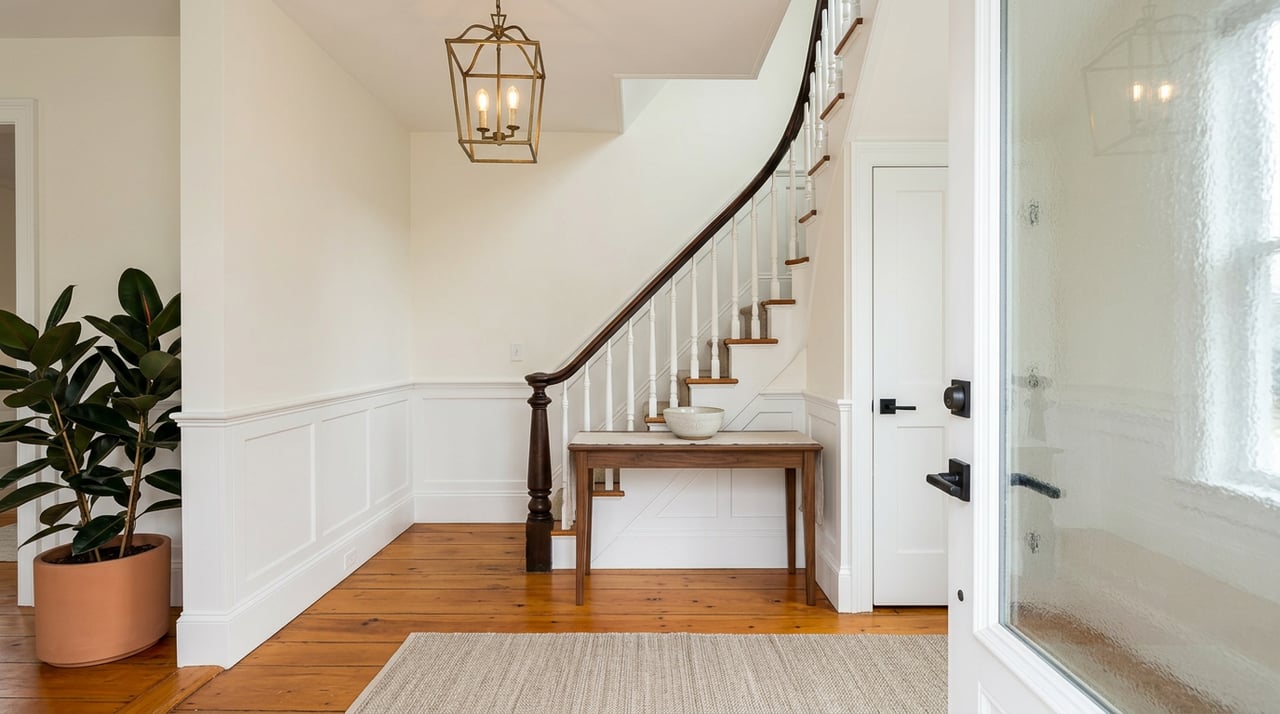
- Photograph with intention: In addition to wide shots, include close-ups of craftsmanship, such as stair balusters, stained glass, or millwork.
- Keep rooms uncluttered: Use furnishings that complement period proportions without feeling like a museum. A brief packet or digital folder summarizing the home’s history, permitted work, COAs, and system upgrades helps serious buyers feel confident.
For additional staging ideas that respect character, review preservation-minded tips on staging a historical home.
Build a smart pre-listing plan
A clear plan helps you move from idea to listing day without rushing.
Weeks 0 to 1: Organize and assess
- Walk through the home, note active water or safety issues, and gather records of past work.
- Order a radon test kit if desired and start basic maintenance like gutter cleaning and yard tidying.
Weeks 1 to 3: Inspect and estimate
- Consider a pre-listing inspection to uncover issues you can address on your timeline. Many inspection organizations support pre-listing inspections, which can reduce surprises and renegotiations. Learn more from InterNACHI’s pre-listing FAQ.
- Get estimates for priority items such as roof repairs, drainage, electrical, and plumbing. Decide which you will complete before listing and which you will disclose with context.
Weeks 3 to 8: Complete safety and systems work
- Finish moisture control, electrical, plumbing, and HVAC work. If you will disturb painted surfaces, follow the EPA’s RRP program guidance and keep documentation.
- If exterior repairs are visible in a district, submit your COA and follow approved materials and methods.
Weeks 6 to 10: Fine-tune presentation
- Wrap up window repairs and add weatherstripping or storm panels as appropriate, in line with NPS guidance on energy upgrades.
- Refinish floors, complete interior paint, refresh landscaping, and schedule professional photography.
- Build your home history and upgrades packet to share at showings and in digital assets.
Note: Complex COA approvals and any tax credit paperwork can add months. If you plan to pursue those, start early or time your listing after approvals are in hand.
What to document for buyers
Transparency builds trust, speeds due diligence, and can protect your sale price.
- COAs, permits, and inspection reports
- Contractor invoices and scope summaries for major work
- RRP compliance records for any paint disturbance
- Radon test results and mitigation records if applicable
- Evidence of window repairs, weatherstripping, and storm panels
- HVAC service records and energy improvements
- Any tax credit filings, correspondence, or easement documents
Pricing and positioning in Winston-Salem
Historic designation can narrow the buyer pool for those who prefer fewer restrictions, yet it can increase perceived value for buyers who prize authenticity and craftsmanship. Lean on comps from similar historic neighborhoods and highlight the blend of character and careful upgrades. NAR notes that marketing to the right audience and emphasizing documented preservation work often leads to stronger engagement. See their field guide to historic properties for perspective.
Ready to list with confidence?
If you want a tailored plan that respects your home’s history and meets today’s buyer expectations, let’s talk. From pre-listing strategy to premium presentation, you deserve guidance that feels hands-on and thorough. Start with a conversation with Darlene (Sharon) Teeter to outline the best next steps for your sale.
FAQs
What is a Certificate of Appropriateness in Winston-Salem?
- If your home is in a local historic district or is a local landmark, visible exterior changes usually require a Certificate of Appropriateness from the Historic Resources Commission. Review districts and contacts on the city’s page for Local Historic Districts, and see the COA overview for process details.
Do I need to replace original windows to improve efficiency?
- Not necessarily. The National Park Service recommends repairing original sash, adding weatherstripping, and using storm windows or interior storm panels before considering replacement. See NPS guidance on historic window energy upgrades.
Are there tax credits for owner-occupied historic homes in North Carolina?
- Possibly. The federal 20 percent credit applies to certified rehabilitations of income-producing historic buildings, not owner-occupied single-family homes. North Carolina offers programs that may help homeowners, often referenced at 15 percent for qualifying projects. Confirm eligibility with the NC HPO. Learn more from the NPS on federal eligibility and from the NC HPO on state credits.
How long does a COA review take for exterior changes?
- Minor Work can be approved by staff, while Major Work follows a set Commission schedule, which includes application deadlines and lead times. Start with a staff pre-review to clarify timing. See the city’s guidance for Local Historic Districts and the COA process.
What documentation should I give buyers of a historic home?
- Provide COAs and permits, inspection reports, contractor invoices, RRP compliance for any paint work, radon test results and mitigation records, system service records, and any tax credit or easement documents. This transparency reduces contingencies and builds confidence.