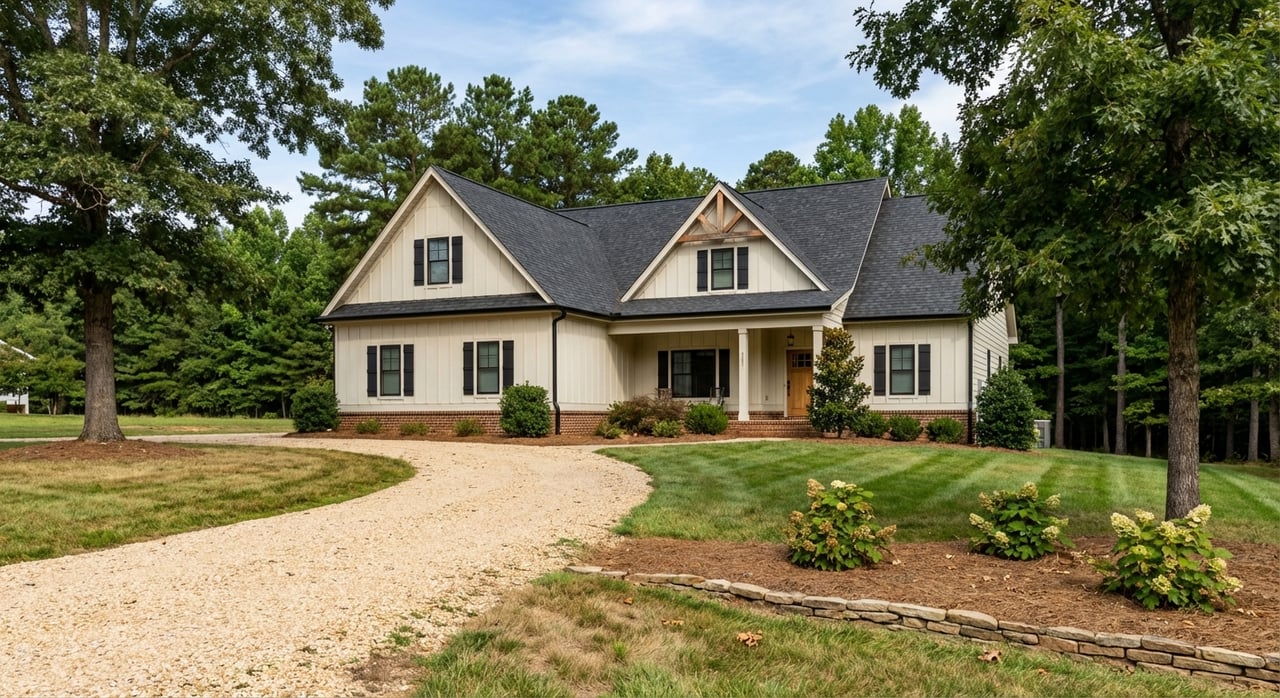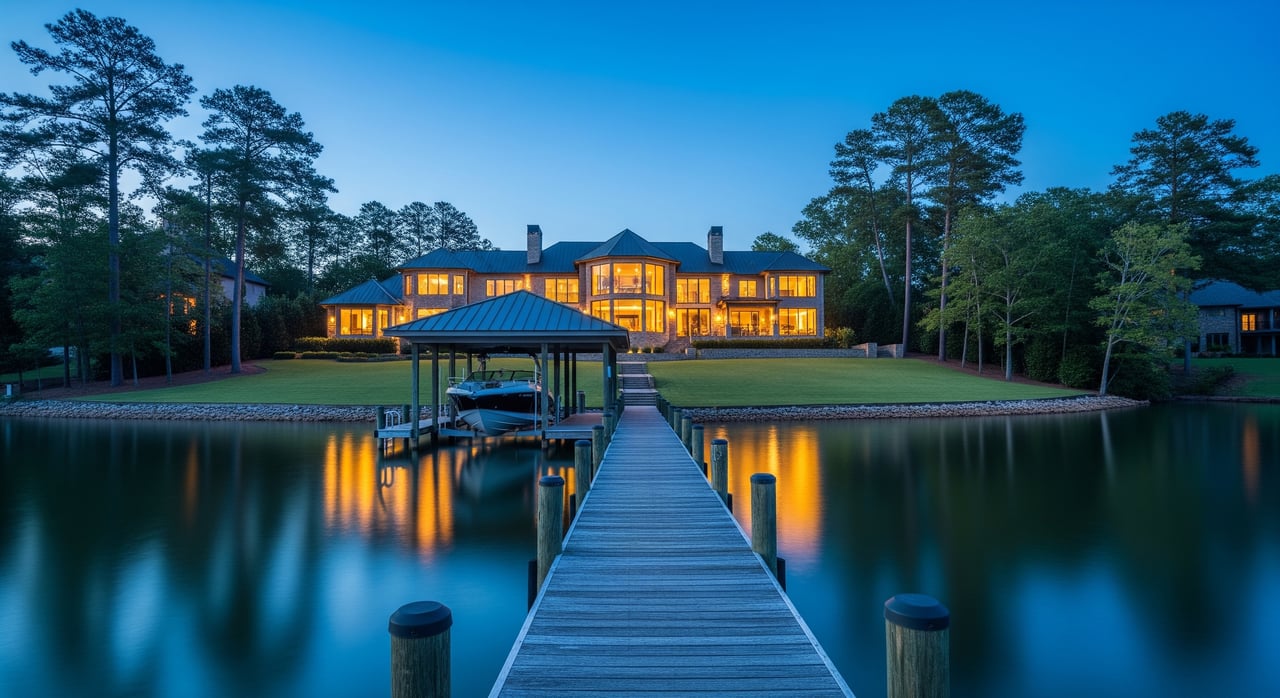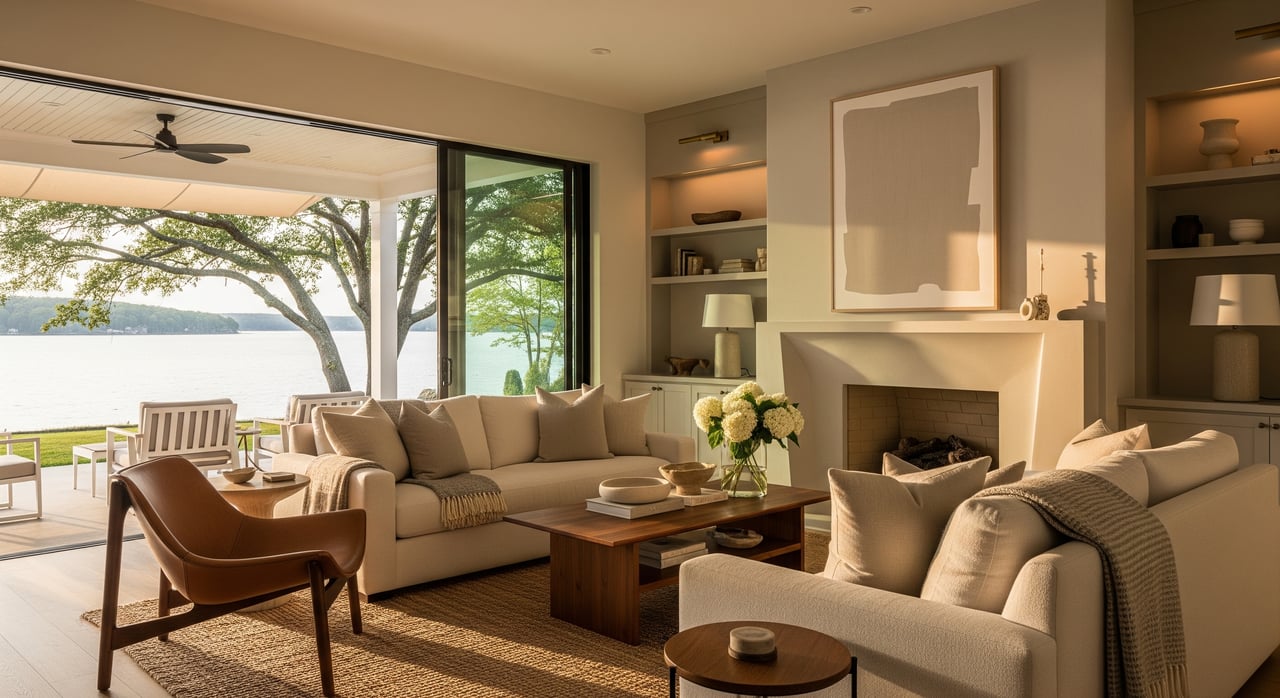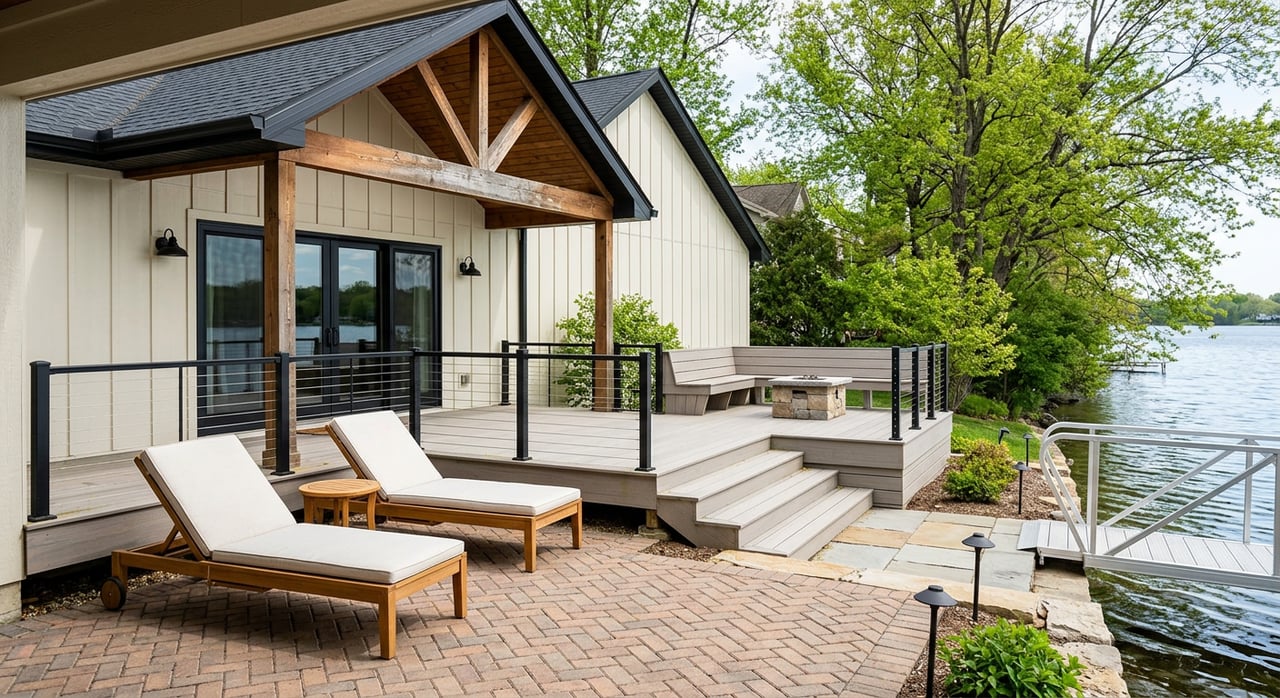
Sunrise on Lake Norman sells a feeling: coffee on the dock, easy boat days, dinner under string lights. If you are getting ready to list, your outdoor spaces can make or break that feeling. You want buyers to picture themselves here without worrying about projects, permits or safety. In this guide, you will learn what to update, what to skip and how to stay permit smart on the Mecklenburg side of Lake Norman so you get the strongest offers with less stress. Let’s dive in.
What Lake Norman buyers want outside
Buyers shop the lifestyle. They look for clean views, safe and sturdy docks, and simple spaces for entertaining. They also notice how much work a yard or shoreline might require. Your goal is to make everything feel easy, polished and well cared for.
- Clear sightlines to the water without overclearing the shoreline.
- A stable dock with safe railings, good lighting and tidy decking.
- Defined seating and dining zones that feel ready for guests.
- Low-maintenance landscaping that frames, not fights, the lake.
Permits 101 on Lake Norman
Before you plan any in-water or shoreline work, know who regulates what. Duke Energy manages shoreline use through its Catawba‑Wateree Shoreline Management Plan, which covers docks, boathouses, dredging and shoreline stabilization. If you plan structural changes, start with Duke Energy’s shoreline management guidance to understand lake-use permits.
For day-to-day boating and safety rules, the Lake Norman Marine Commission is the local authority. On the Mecklenburg side, local zoning and watershed buffers also apply, and the code sets standards like how far a pier can extend, property line offsets, and reflector or lighting requirements. You can review examples in the Charlotte/Mecklenburg code. If your project involves dredging or fill, you may also need U.S. Army Corps of Engineers authorization. The Corps explains these processes on its Regulatory Program overview.
When you need a permit
Structural waterfront changes almost always need review. Examples include:
- New or expanded docks, boat slips or boathouses.
- Shoreline stabilization such as riprap or a new seawall.
- Dredging, fill or other in-water construction.
Contact Duke Energy Lake Services early. Some projects require engineered plans or habitat fees, and local review can run in parallel with Duke Energy and LNMC input.
What usually does not need a lake-use permit
Small cosmetic and safety updates on land typically do not require a lake-use permit:
- Power-washing, sanding, sealing and staining decks or dock boards.
- Replacing individual rotten boards like for like and tightening hardware.
- Adding or refreshing outdoor furniture, planters and rugs.
- Trimming shrubs and trees to open the primary view while keeping a buffer.
Always confirm site-specific rules first. Check jurisdiction first so you do not start work that accidentally triggers review.
High-impact, low-risk updates
Your best returns come from simple, visible fixes that improve photos and first impressions. Focus on safety, cleanliness and staging.
Start with safety
Buyers will walk every surface and grab every railing. Reduce objections and liability before showings.
- Inspect pilings, fasteners, ledger boards and railings. Replace corroded hardware and soft boards. Local pros emphasize these basics for dock repair and buyer peace of mind, as seen in typical dock repair guidance.
- If your dock has electrical or lighting, confirm GFCI protection and that wiring is up to code.
- Add or replace required reflectors or night lighting on docks per local rules. See examples of reflector and safety standards in Mecklenburg’s code.
Clean and refresh
You can transform outdoor areas in days, not months.
- Power-wash decks, docks and patios. Then restain or reseal high-traffic areas for a fresh, even tone.
- Replace a few worn deck boards, rail caps or balusters instead of rebuilding the entire structure. The National Association of Realtors highlights simple deck makeovers as smart, budget-friendly boosts in its deck update tips.
- Declutter. Store personal water toys, repair tools and bulky covers away from photography zones.
Stage for lake living
Make each area feel like an effortless weekend.
- Keep furniture minimal and weather-proof: a two-person lounge set and a compact dining table are enough.
- Add symmetry with two planters and a neutral outdoor rug to define the space.
- Use soft string or step lighting for evening showings.
Dock details buyers notice
Small dock details signal care and can prevent a deal from wobbling late in escrow.
- Check flotation. If you still have old, unencapsulated foam floats, budget to replace them. Duke Energy has long restricted unencapsulated foam on many lakes, which was reinforced in its public notices on foam flotation.
- If your dock has a lift, test it and have a recent service record ready. Buyers appreciate documentation.
- Confirm that any boathouse or covered slip is permitted under Duke Energy’s shoreline plan and local code before you advertise it.
Shoreline and view strategy
You want the water to be the star, with a shoreline that looks cared for and stable.
- Trim to open the primary view, but keep a healthy, native buffer along the water. Duke Energy’s shoreline plan encourages preserving vegetated buffers where possible because they protect water quality and reduce erosion.
- Create light, low-maintenance paths with stone steps or gravel that guide buyers to the water without heavy grading.
- Consider living shoreline ideas first. Nature-based stabilization with native plantings can improve resilience and habitat in many settings. Agency and research summaries support the benefits of vegetation-based options in suitable sites, which you can explore through federal research portals.
If you see active erosion or bank slumping, pause and call your agent. You may need a shoreline specialist and early permit conversations with Duke Energy and Mecklenburg before any work.
What to spend and what to skip
Spend where buyers see and feel the upgrade right away. Be cautious about big-ticket structural projects right before a sale.
- Under $1,000: Power-wash, restain key deck areas, replace a few boards or rail sections, add neutral cushions and stage lighting, and prune to open the view. NAR’s deck makeover guide shows how far small budgets can go.
- $1,000 to $10,000: Replace larger deck sections, improve dock decking, add or update lighting, complete basic boat lift servicing, and enhance landscaping with native plants. Typical dock repair ranges suggest repairs often beat full replacements.
- Over $10,000: New composite decks, major dock rebuilds, covered slips or heavy shoreline stabilization. These often need permits and can take months. Proceed only after a pricing and ROI review with your agent.
On value, national Remodeling Cost vs. Value data shows exterior projects, especially decks, perform well at resale. Wood deck additions had strong cost recoup rates in 2025 national results, with composite decks also performing well. Use the Cost vs. Value report as a benchmark, then get local bids and a valuation specific to your property.
For context, full new dock builds can range widely by size and site conditions. Simple residential docks may start in the low thousands, while larger private docks with pilings, covers, or lifts can run into the tens of thousands. Repair work is usually far less than replacement, which aligns with typical dock cost guidance. If you need a new or upgraded lift, expect a broad range depending on capacity and mechanism. A residential boat lift often falls between a few thousand dollars and higher five figures based on features and install complexity, which you can see in boat lift cost overviews.
Smart sequencing and timing
Good planning protects your timeline and budget. Here is a lake-smart sequence if you are listing in the next 12 months.
- Talk with your listing agent. Confirm target buyer profile and whether your neighborhood market expects a slip or certain dock features before closing.
- Call Duke Energy Lake Services for a permit check, and review LNMC rules for day-to-day operations like no-wake zones or buoys. Start applications early if any structural work is possible. Use Duke Energy’s shoreline plan as your starting point.
- Confirm local rules with Mecklenburg planning or your town clerk. Review setbacks, buffer rules and pier placement in the local code.
- If dredging or in-water fill is on the table, check USACE permit pathways early. Some projects require pre-construction notification.
- Bring in the right contractors. Hire a licensed marine/dock pro and a landscape contractor with shoreline experience. For erosion, add an engineer or shore-stabilization specialist. Local pros who handle routine dock repairs can also flag safety and compliance issues.
Timing guidelines are approximate. Cosmetic staging and small repairs often take days to weeks. Like-for-like dock repairs and lift servicing can usually be scheduled within a few months, depending on availability. New docks, covered slips, major stabilization or dredging can take several months due to multi-agency review, so start early with Duke Energy and your municipality.
Common pitfalls to avoid
A few missteps can add cost or delay your sale.
- Starting structural dock or shoreline work without approvals. Duke Energy and local authorities can issue stop-work or removal orders if you build first and ask later.
- Over-improving with a custom boathouse or covered slip right before listing. These projects need permits and may not fully recoup at resale.
- Ignoring safety or electrical issues on the dock. Buyers notice, inspectors document, and lenders can raise flags.
- Advertising unpermitted features. Confirm permits and rights for slips, boathouses and lifts before you market them.
Pre-listing outdoor checklist
Use this quick list to prep your Mecklenburg lakefront for market.
- Safety first: tighten hardware, replace soft boards and confirm rail stability. Verify GFCI protection and correct dock lighting or reflectors.
- Clean and seal: power-wash decks, docks and patios. Restain where finish is worn.
- Stage simply: two-seat lounge set, compact dining, two planters, neutral rug and soft string lights. Hide bulky gear from photos and showings.
- Trim for view: open the primary lake view while preserving a native buffer at the waterline. Avoid heavy grading without approvals.
- Paperwork ready: confirm your jurisdiction, then call Duke Energy Lake Services to verify whether any planned changes need permits. Gather service records for lifts and docks.
Your outdoor spaces can sell the Lake Norman lifestyle in a single glance. With smart, permit-aware planning and a focus on safety, cleanliness and simple staging, you can attract stronger offers and smoother inspections. If you would like a tailored plan, vendor introductions and premium marketing that speaks to lake buyers, connect with Darlene (Sharon) Teeter for a free consultation or value review.
FAQs
What outdoor updates add the most value for a Lake Norman sale?
- Focus on safety fixes, power-washing, selective board replacement, simple staging and view trimming with a preserved buffer. Deck projects often rank well in national Cost vs. Value reports at resale.
Do I need a permit to replace dock boards before listing?
- Like-for-like board replacement and cosmetic repairs usually do not require a lake-use permit, but new docks, expansions, shoreline stabilization and dredging generally do. Confirm with Duke Energy Lake Services and Mecklenburg before you start.
Who regulates docks and shoreline work on Lake Norman in Mecklenburg?
- Duke Energy manages shoreline use and permits, LNMC sets boating and safety rules, Mecklenburg and towns apply zoning and buffer codes, and USACE may review in-water work like dredging or fill.
How much does a boat lift or dock upgrade cost?
- Costs vary by size and features. Typical boat lifts range from a few thousand dollars to higher five figures, and dock repairs are often far less than full replacements. Get local bids and timing from experienced marine contractors.
What is a living shoreline, and should I consider it?
- A living shoreline uses native plants and nature-based features to slow erosion. Where site conditions allow, it can provide resilience and ecological benefits. Start with a shoreline consult and permit check before any installation.