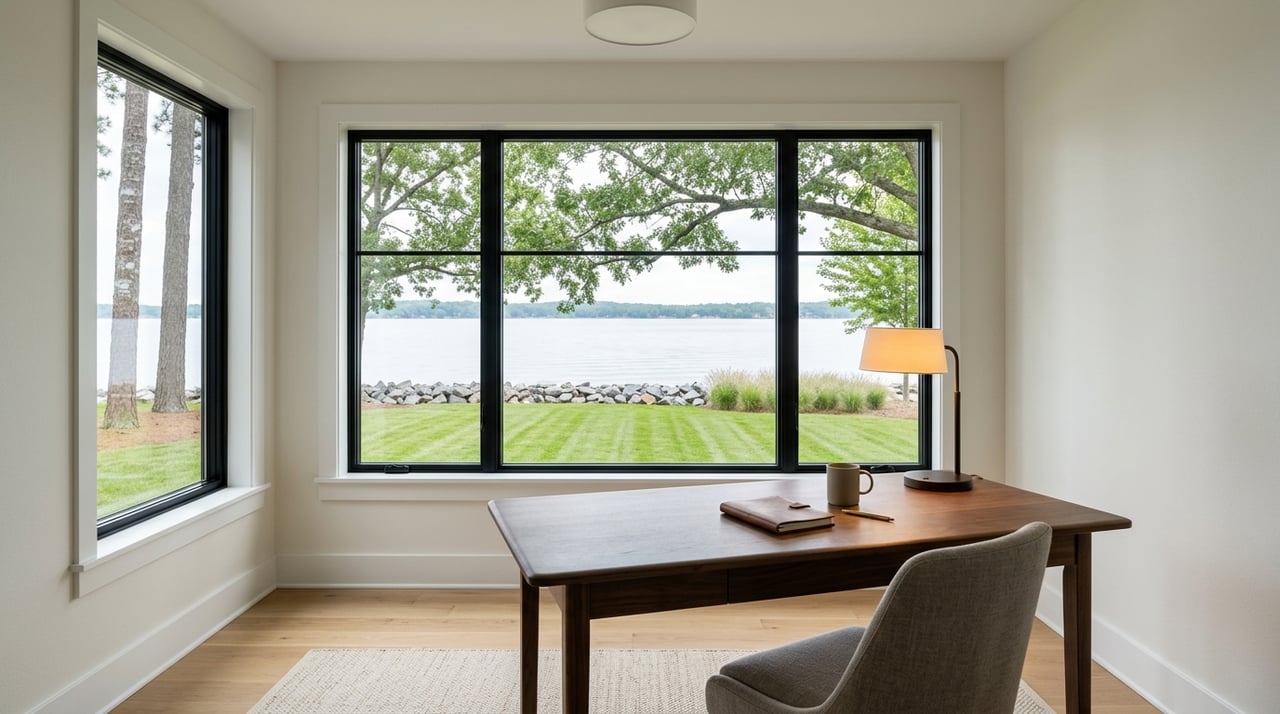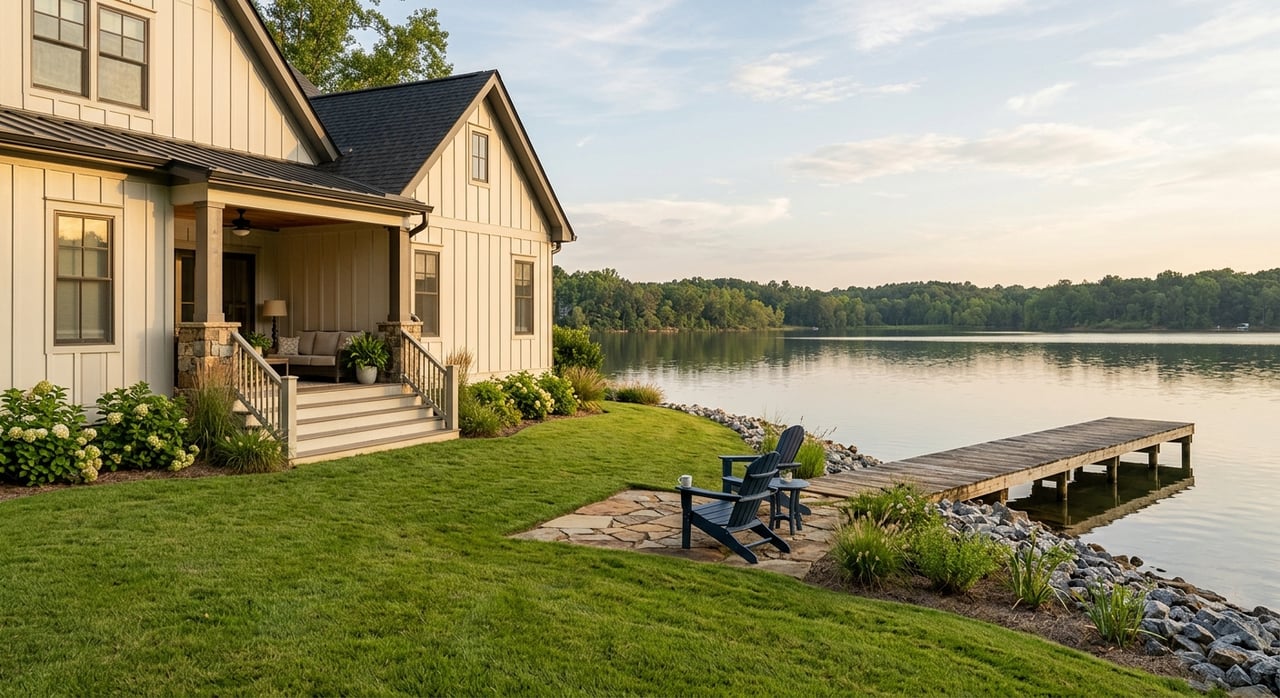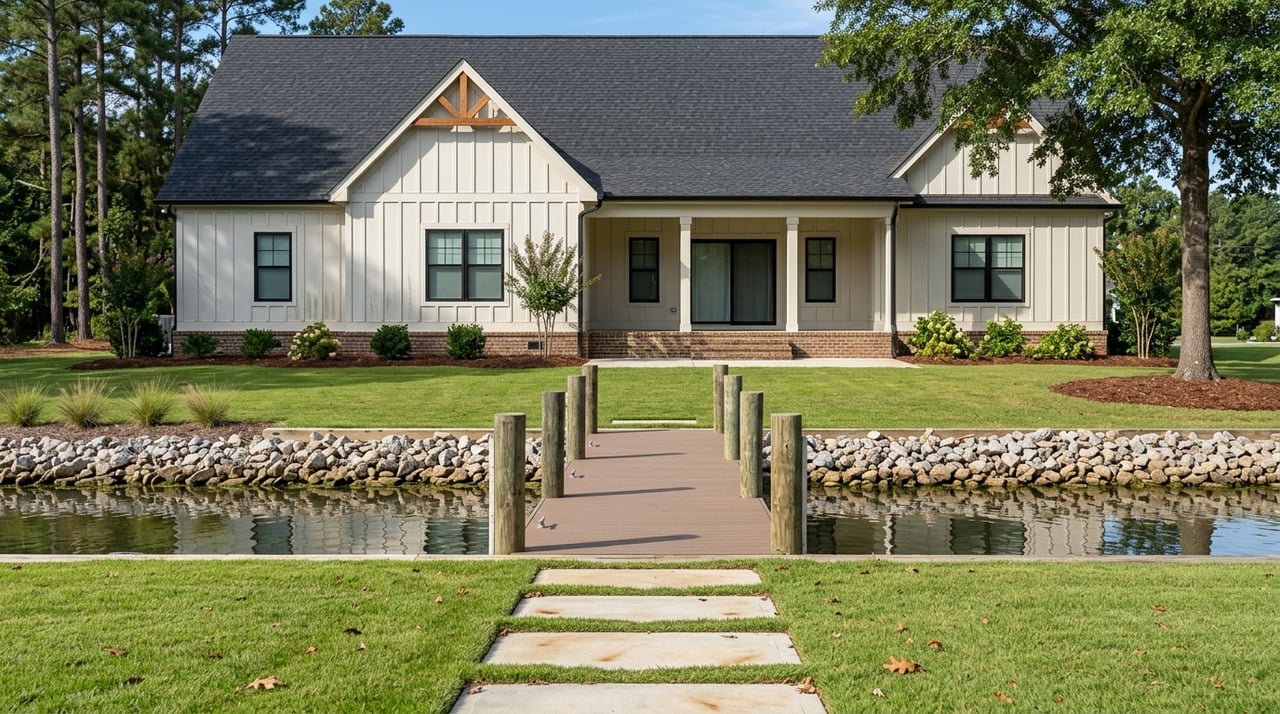
If you picture life at Lake Norman, chances are you see sparkling water, a dock, and sunset views. But when it comes time to buy, the real question is simpler: do you want to live on the lake, or just near it? The right choice depends on how you plan to use the lake, what kind of upkeep you want, and how comfortable you are with local rules. Let’s break it down.
Why This Choice Matters at Lake Norman
Lake Norman is not a small neighborhood pond. It is the largest manmade lake in North Carolina, with more than 520 miles of shoreline and 32,510 acres of water. Mecklenburg County includes about 90 shoreline miles and 10,350 acres of the lake, which means the Mecklenburg side is part of a much larger regional lake market.
That scale gives you options, but it also means one waterfront home can live very differently from another. Shoreline conditions, water depth, dock setup, floodplain overlays, and local ordinances can all shape your day-to-day experience. That is why choosing between waterfront and off-water is about more than price or view.
What Waterfront Living Offers
If you want to boat often, entertain outside, or enjoy the lake as part of your daily routine, waterfront living delivers the most direct access. A private dock or shoreline access can make spontaneous lake time much easier. For many buyers, that convenience is the biggest draw.
Lake Norman has a strong recreation culture. Public amenities around the lake include boat ramps, rentals, swim access, trails, cabins, and day-use areas, which shows just how central the water is to the local lifestyle. If being close to that activity is a top priority, waterfront may feel like the most natural fit.
Waterfront Advantages to Consider
- Direct lake access from your property
- Easier boating and watersports routines
- Strong appeal for outdoor entertaining
- Premium water views
- A limited shoreline supply compared with the broader housing market
What Waterfront Ownership Also Requires
The lakefront lifestyle is appealing, but it comes with more moving parts. On Lake Norman, changes to piers, docks, shoreline property, and certain lakefront features may require review or permits through Duke Energy if the work affects Duke Energy lake property or falls within the FERC boundary. That means ownership can involve more planning than many buyers expect.
Water level changes are also part of the experience. The Lake Norman Marine Commission notes that lake levels can vary by as much as 8 feet in normal operation, with drawdowns generally happening in the fall and winter. That can affect dock depth, shoreline appearance, and boating access.
Boating conditions matter too. Winter drawdown can expose rocks, stumps, humps, and sandbars, and some hazards are not marked. If you plan to use a boat regularly, it helps to understand how the area looks both at full pond and during lower water.
Waterfront Tradeoffs to Keep in Mind
- More shoreline and dock-related upkeep
- Possible permit review for dock or shoreline changes
- Water-level swings that can affect access
- More exposure to boating activity near the shoreline
- Potential flood insurance questions depending on the property
Why Local Rules Matter So Much
At Lake Norman, the view is only part of the story. Mecklenburg County and the towns along the lake each have ordinance sets covering zoning, floodplain management, erosion control, and stormwater rules. A property may also be affected by watershed buffers or other overlays that can influence what you can build, clear, grade, or change.
Flood risk deserves close attention near the shoreline. Charlotte-Mecklenburg reports that floodplains along Lake Norman and the Catawba River system are being remapped for accuracy, and Mecklenburg County includes almost 20,000 acres of regulated floodplain with about 2,700 residential and commercial structures inside that regulated area.
Even if a lot looks straightforward, parcel-level details matter. Mecklenburg County GIS tools, including POLARIS and GeoPortal, can help identify floodplain overlays, post-construction buffers, zoning, and other restrictions that may affect your plans.
What Off-Water Living Offers
If you love Lake Norman but do not need a private dock in your backyard, an off-water home can be a smart fit. You still get access to the area’s lake lifestyle while avoiding many shoreline-specific responsibilities. For many buyers, that means a simpler ownership experience.
Off-water homes often make it easier to focus your budget on the house itself. Without direct shoreline maintenance or dock-related concerns, you may have more room for interior upgrades, lot size, or a location that better fits your routine. That flexibility can matter if your priorities lean more toward the home than the waterfront edge.
Off-Water Advantages to Consider
- Less shoreline-specific maintenance
- No private dock or pier to manage
- Fewer lakefront permitting concerns
- More budget flexibility for home features or lot preferences
- A quieter, more private feel for some buyers
How Off-Water Buyers Can Still Enjoy the Lake
Choosing off-water does not mean giving up the lake lifestyle. Public access points around Lake Norman support boating, swimming, hiking, biking, and day use. Lake Norman State Park, for example, offers a public boat ramp, rentals, a swim beach, and trails.
That setup works well if you enjoy the lake regularly but do not need direct frontage every day. If your boating or recreation habits are more occasional than constant, nearby public access may cover what you need without the added complexity of waterfront ownership.
Off-Water Does Not Mean No Restrictions
One common mistake is assuming only waterfront lots have special rules. In Mecklenburg County, off-water properties may still be affected by floodplain regulations, stormwater requirements, erosion-control standards, and water-supply watershed rules. Some buffer areas can limit tree removal, grading, clearing, or permanent structures.
That is why due diligence matters whether or not the home touches the lake. If you are comparing properties, it helps to review the parcel data early instead of assuming an off-water lot is automatically simpler in every way.
A Simple Way to Decide
The best choice usually comes down to how you plan to live. Waterfront tends to make sense when you want daily lake access, boat convenience, and a premium view, and you are comfortable with the extra upkeep, permit questions, and seasonal water-level changes that can come with it.
Off-water often makes more sense when you want the Lake Norman lifestyle but prefer more privacy, less maintenance, and more flexibility in your budget. It is also a strong option if you expect to use public lake access rather than a private dock.
Questions to Ask Before You Choose
Before you commit to either path, ask practical questions that match the way Lake Norman properties actually function.
If You Are Considering Waterfront
- Does the property have an existing dock or shoreline permit, and what is its current status?
- Is the lot in a FEMA flood zone, Mecklenburg regulated floodplain, or another overlay?
- How does the shoreline look during lower lake levels?
- Are there navigation concerns nearby, such as shallow areas or unmarked hazards?
- Will you use the dock and direct access enough to justify the added complexity?
If You Are Considering Off-Water
- How far is the nearest public ramp, marina, or day-use access?
- Does that access fit how often you expect to boat or spend time on the water?
- Are there watershed, stormwater, or floodplain overlays on the lot?
- Would you rather put your budget into house size, updates, or lot features?
- Do you want the lake lifestyle without managing a shoreline property?
Resale Can Follow Different Paths
Waterfront and off-water homes do not always move through the market in the same way. Waterfront inventory is limited because direct frontage is finite, especially when you consider how little shoreline exists compared with the broader regional housing supply. That can make waterfront homes feel like a niche market with a distinct buyer pool.
At the same time, resale for a waterfront home may depend heavily on factors such as shoreline usability, dock permit status, water depth, and view quality. Two homes on the lake can look similar online but perform very differently in the market based on those details. Off-water resale may be less tied to those lake-edge variables and more tied to condition, location, and overall home features.
The Bottom Line for Lake Norman Buyers
There is no universal winner between waterfront and off-water homes at Lake Norman. The better choice is the one that fits your routine, your budget, and your comfort level with property-specific rules. If you will use the lake constantly and want that access at your doorstep, waterfront may be worth it. If you want to enjoy the area without the extra shoreline responsibilities, off-water may give you the best balance.
When you compare homes around Lake Norman, local knowledge matters. A property’s shoreline, overlays, permits, and access can shape your experience as much as the home itself. If you want help weighing your options in the Lake Norman market, connect with Darlene (Sharon) Teeter for trusted local guidance and a personalized conversation.
FAQs
What is the main benefit of a waterfront home at Lake Norman?
- The biggest benefit of a Lake Norman waterfront home is direct lake access, which can make boating, watersports, outdoor entertaining, and enjoying the view much easier as part of your daily routine.
What are the biggest tradeoffs of a Lake Norman waterfront home?
- The main tradeoffs of a Lake Norman waterfront home include more upkeep, possible dock or shoreline permit requirements, water-level changes, boating activity near the shore, and added flood insurance questions for some properties.
Is an off-water home near Lake Norman still a good option for lake lovers?
- Yes. An off-water home near Lake Norman can still work well if you plan to use public access like boat ramps, swim areas, rentals, and trails instead of needing private shoreline access.
Do off-water homes in Mecklenburg County have property restrictions too?
- Yes. Off-water homes in Mecklenburg County may still be affected by zoning, floodplain, stormwater, erosion-control, and watershed rules, so it is important to review parcel-specific data before you buy.
How much can Lake Norman water levels change?
- According to the Lake Norman Marine Commission, Lake Norman water levels can vary by as much as 8 feet in normal operation, with lower levels typically occurring in the fall and winter.
What should you check before buying a waterfront home at Lake Norman?
- Before buying a Lake Norman waterfront home, you should confirm dock or shoreline permit status, review floodplain and overlay maps, assess water depth and shoreline conditions, and think honestly about how often you will use direct lake access.
How do you decide between waterfront and off-water homes at Lake Norman?
- The best way to choose between Lake Norman waterfront and off-water homes is to compare your lifestyle, budget, maintenance preferences, and how often you expect to use the lake from your property.