Dreaming about coffee by the water and still making it to Charlotte on time? That is the real Lake Norman question for many professionals. If you want a home that supports your workweek and your weekends, you need more than a pretty lake view. You need a smart plan for commute, budget, and lake-specific due diligence. Let’s dive in.
Why Lake Norman appeals to Charlotte professionals
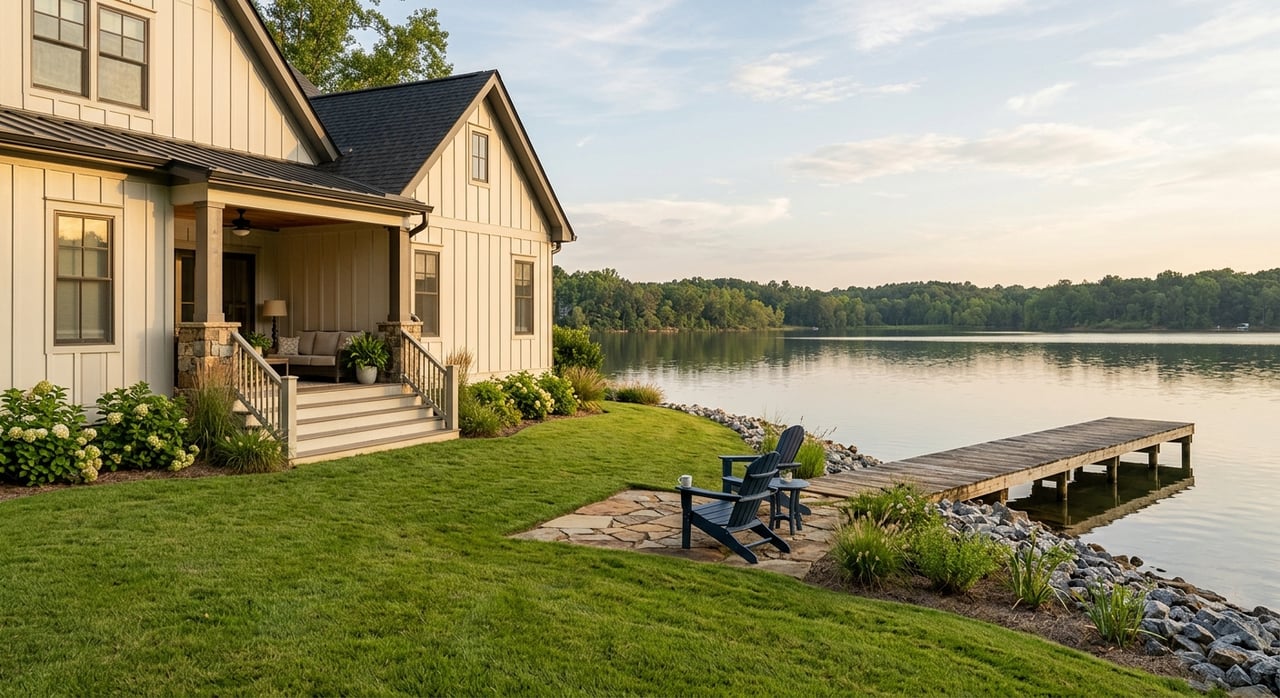
Lake Norman gives you a rare mix of everyday access and weekend lifestyle. Duke Energy says it is the state’s largest man-made lake, built in 1963, and Visit Lake Norman describes it as 34 miles long with 520 miles of shoreline across Iredell, Catawba, Mecklenburg, and Lincoln counties. That scale creates a wide range of living options, from commuter-friendly neighborhoods to high-end waterfront estates.
For many Charlotte buyers, the decision is not whether Lake Norman is worth considering. It is which town best fits your daily routine, housing budget, and preferred level of lake access. That is where a focused buying strategy can save you time and stress.
Start with budget reality
One of the biggest mistakes buyers make is treating all Lake Norman homes like they belong in the same price category. They do not. The broader town markets and the true waterfront market are very different.
In March 2026, Redfin market data showed a median sale price of $426,500 in Charlotte. Around Lake Norman, the median sale price was $496,500 in Cornelius, $567,817 in Huntersville, $582,000 in Davidson, and $430,000 in Mooresville. Those numbers give you a useful starting point, but they do not tell the whole waterfront story.
Lakefront inventory sits in a much higher tier. Current examples in the Lake Norman lakefront market included a Cornelius lakefront home at $1.395 million, a Cornelius estate at $14.5 million, Huntersville lakefront homes at $2.95 million and $4.995 million, and a Davidson waterfront townhome at $1.1 million. If you are comparing a standard suburban home to a true waterfront property, you are really comparing two different affordability tracks.
Three budget lanes to define early
Before you tour homes, decide which lane fits your goals:
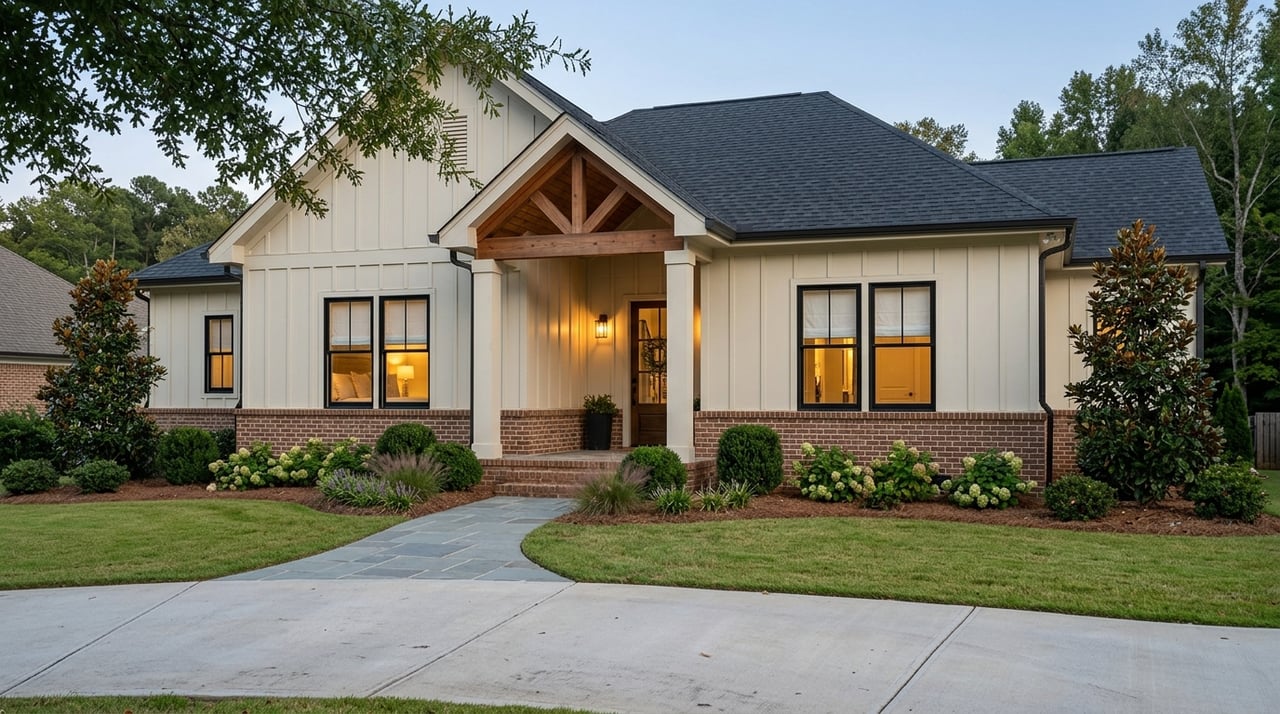
- Non-waterfront home: Best if you want the Lake Norman area and commuter access without paying waterfront pricing.
- Waterfront condo or townhome: A middle-ground option if you want water views or access with a different maintenance profile.
- Lakefront estate: Best if direct shoreline, dock access, and premium outdoor living are top priorities.
This step matters because it keeps your search focused and helps you avoid falling in love with homes outside your practical range.
Compare towns by commute and lifestyle
For Charlotte professionals, the Lake Norman search often comes down to tradeoffs. Closer-in towns may reduce commuting friction. Farther north or more waterfront-heavy options may give you more of the lake experience, but often with a longer drive, more maintenance, or a higher price tag.
Cornelius for commute and lake feel
Cornelius often stands out for buyers who want a strong balance of access and lifestyle. Redfin data showed a median sale price of $496,500, with homes selling in about 40 days. Some hot homes can go pending much faster, so you may need to move quickly when the right property appears.
Cornelius also benefits from its position along the I-77 corridor and from nearby park-and-ride options. If you want to stay close to Charlotte while keeping the lake central to your lifestyle, this town is often high on the list.
Huntersville for suburban range and transit options
Huntersville offers a broader suburban housing market with lake-area access. Redfin data showed a median sale price of $567,817, with homes selling in about 60 days. Waterfront homes here can move into a much higher price tier, as shown by current listings in the multimillion-dollar range.
From a commuting standpoint, Huntersville gives you useful alternatives. CATS lists park-and-ride locations including Huntersville Gateway and Huntersville-Northcross, along with express routes such as 77x, 63x, and 48x. That can make a difference if you want more than one option for getting into Charlotte.
Davidson for smaller-town feel
Davidson can appeal if you want a true commuter base with a smaller-town atmosphere. The town’s mobility plan states that Davidson is 20 miles north of Charlotte along Interstate 77 and bordered on the west by Lake Norman. That geography makes it a practical comparison point for buyers who want to stay connected to Charlotte while enjoying a different pace.
Redfin data showed a median sale price of $582,000, with homes selling in about 137 days. That longer pace may create different opportunities than in more competitive nearby markets, but parcel-level property review is especially important here because local watershed standards can affect what you can do with a property.
Mooresville for price efficiency
If price efficiency matters more than the shortest Charlotte commute, Mooresville may deserve a close look. Redfin data showed a median sale price of $430,000, which is much closer to Charlotte’s median than some of the closer-in lake towns. Homes were selling in about 94 days.
Mooresville can make sense if you want more house for the money or if your schedule allows more flexibility around commuting. For some buyers, that tradeoff is worth it.
Know your commuting options
I-77 is the backbone of the Lake Norman-to-Charlotte commute. NCDOT says the North I-77 project added two express lanes in each direction between Uptown Charlotte and Exit 28 in Cornelius, plus one express lane in each direction from Cornelius to Exit 36 in Mooresville. The express lanes are tolled electronically, while the general-purpose lanes remain free.
If you use NC Quick Pass, NCDOT says you can save 50% on tolls. For professionals who commute several days a week, that can become part of the overall cost calculation when choosing a town.
You also have alternatives to driving alone. CATS Micro serves Huntersville, Davidson, and Cornelius north of I-485, operates daily from 6 a.m. to 7 p.m., and costs $2.20 per trip. CATS also offers park-and-ride options in Cornelius Town Hall, Cornelius Sefton Park, Huntersville Gateway, and Huntersville-Northcross, plus express bus routes and vanpool options for shared commuting patterns.
A simple commute checklist
As you narrow your search, ask yourself:
- How many days per week will you travel to Charlotte?
- Are you willing to pay tolls for more predictable travel?
- Would park-and-ride or vanpool options help your routine?
- Do you want the shortest practical commute, or more lake lifestyle at the cost of extra drive time?
Your answers will usually point you toward the right town faster than photos alone.
Prepare for a faster-moving search
Even if the overall market pace varies by town, some Lake Norman homes move quickly. Redfin reports that Cornelius and Huntersville remain somewhat competitive, and hot homes can go pending in roughly 20 to 29 days. If you want lake access, you should be ready before the perfect listing hits the market.
That means getting pre-approved early, understanding your target price lane, and being clear on your non-negotiables. Speed matters, but so does discipline. A rushed purchase without the right checks can become expensive later.
Due diligence matters more on lake property
In North Carolina, due diligence is a critical stage of the purchase process. The North Carolina Real Estate Commission says the due-diligence period is your window to investigate the property and transaction, including home, pest, septic, survey, appraisal, and loan qualification work. The due-diligence fee is negotiated and is commonly non-refundable if you terminate after the period ends.
For lake properties, this period carries even more weight because there can be extra layers to verify. A beautiful shoreline does not tell you everything you need to know about permits, flood risk, or dock usability.
What to verify before your due-diligence deadline
Use your due-diligence period to confirm:
- Home inspection findings
- Pest inspection results
- Septic details, if applicable
- Survey boundaries and improvements
- Appraisal and lender review
- Flood-zone status and insurance options
- Dock, pier, or shoreline structure questions
NCREC also advises buyers to consider specialized inspections when a general inspection reveals a concern. On lake property, that guidance can be especially important.
Check docks, shoreline rules, and water conditions
Waterfront ownership comes with extra responsibilities. Duke Energy says buyers and sellers should contact Lake Services before making changes to piers, docks, shoreline stabilization, dredging, or other shoreline structures. Duke Energy also specifically addresses property transfers involving shoreline structures and permit transfer questions.
That means you should not assume an existing dock or shoreline improvement is simple to modify later. You want clarity on what is already permitted, what may transfer, and what future changes might require review.
Duke Energy also notes that lake levels can vary by location on the reservoir. In practical terms, shoreline conditions and dock usability are not identical from one property to another. Two homes can both be listed as waterfront and still offer different day-to-day experiences on the water.
Review flood risk before you commit
Flood planning belongs early in your decision process, not after closing. FEMA says its Flood Map Service Center is the official place to find flood-hazard maps. FEMA also notes that flood insurance is a separate policy, and most homeowners insurance does not cover flood damage.
That distinction matters for budgeting. FEMA states that NFIP flood insurance usually has a 30-day waiting period unless an exception applies. If a property raises flood-risk questions, you want answers and pricing before your due-diligence deadline.
Watch for parcel-level rules
One of the easiest assumptions to make is that every property in the same town follows the same rules. That is not always true around Lake Norman. Davidson’s town materials note that watershed standards apply to parcels within one-half mile of Lake Norman and require vegetative buffers while limiting built-upon area.
The lesson is simple: review the specific parcel, not just the city name or ZIP code. This is especially important if you are thinking ahead about additions, outdoor improvements, or changes near the shoreline.
A smart buying sequence for Charlotte professionals
When you are balancing work, commute, and a major purchase, clarity matters. A step-by-step approach can help you stay focused and avoid expensive surprises.
Follow this order
- Get pre-approved and decide whether you are shopping for a non-waterfront home, waterfront condo or townhome, or a true lakefront property.
- Choose your town based on commute tolerance, budget, and desired lake lifestyle.
- Tour with a clear checklist so you compare homes on access, maintenance needs, and ownership restrictions, not just finishes.
- Use the due-diligence period fully for inspections, survey work, lender review, and shoreline or dock verification when needed.
- Confirm flood-zone status and insurance pricing before your due-diligence deadline.
This sequence helps you make a calm, informed decision even in a market where desirable homes can move fast.
Why local guidance matters
Lake Norman is not just one market. It is a group of connected towns, pricing tiers, and property types with different tradeoffs. If you are commuting to Charlotte, every decision touches daily life, from your drive pattern to toll costs to how much property upkeep you want on weekends.
That is why local, hands-on guidance matters so much here. You want someone who understands the Charlotte commute, the Lake Norman shoreline, and the practical questions that come with waterfront ownership. When your search is grounded in real data and local insight, you can buy with more confidence.
If you are weighing commuter convenience against lake lifestyle, talking through your priorities with a local expert can make the process much clearer. For personalized guidance on Lake Norman homes and waterfront opportunities, connect with Darlene (Sharon) Teeter.
FAQs
What should Charlotte professionals know about Lake Norman home prices?
- Lake Norman pricing varies widely by town and property type. In March 2026, median sale prices ranged from $430,000 in Mooresville to $582,000 in Davidson, while true lakefront listings were often priced well above $1 million.
What is the best Lake Norman town for a Charlotte commute?
- The best fit depends on your budget, schedule, and lifestyle priorities. Cornelius, Huntersville, Davidson, and Mooresville each offer a different balance of commute access, housing cost, and lake lifestyle.
What commute options are available from Lake Norman to Charlotte?
- I-77 is the main route, with express lanes between Uptown Charlotte and Mooresville in key segments. CATS also offers Micro service, park-and-ride locations, express bus routes, and vanpool options in parts of the Lake Norman corridor.
What due-diligence steps matter most for Lake Norman waterfront homes?
- Buyers should use the North Carolina due-diligence period to review inspections, septic details if applicable, survey work, appraisal, lender approval, flood-zone status, and any dock or shoreline questions tied to the property.
What should buyers verify about Lake Norman docks and shoreline structures?
- Duke Energy says buyers and sellers should contact Lake Services before making changes to docks, piers, shoreline stabilization, dredging, or other shoreline structures, and permit transfer questions should be reviewed during the transaction.
Do Charlotte buyers need separate flood insurance for Lake Norman property?
- Flood insurance is separate from standard homeowners insurance, and FEMA says most homeowners policies do not cover flood damage. Buyers should check flood-hazard maps and insurance costs before the due-diligence period ends.