Selling a home in High Point gives you an advantage many sellers in other cities simply do not have. You are in a place known for design, furniture, and polished interiors, which means local resources can help your home stand out from the start. If you want buyers to walk in and instantly feel the home is well cared for and move-in ready, High Point’s design ecosystem can help you get there. Let’s dive in.
Why High Point Design Matters
High Point is widely known as the Home Furnishings Capital of the World. Visit High Point describes a local design ecosystem with more than 1,000 brands, and the city notes that High Point Market is the world’s largest home furnishings trade show.
That local identity matters when you are preparing a home for sale. In a market tied so closely to interiors and presentation, buyers often notice details like texture, lighting, balance, and overall flow. A home that feels thoughtfully prepared can leave a stronger first impression.
Staging data supports that idea. In the National Association of Realtors 2025 survey, 83% of buyers’ agents said staging made it easier for buyers to visualize a home as their future place, 29% of agents reported a 1% to 10% increase in the dollar value offered, and 49% of sellers’ agents said staging reduced time on market.
Start With the Right Goal
The goal is not to make your house look like a showroom for the sake of style alone. The goal is to help buyers picture themselves living there while making each space feel clean, open, and intentional.
In High Point, that often means using local design resources to create a polished look without completely refurnishing the home. A few well-chosen updates can make a bigger difference than a full redesign that feels too personal or too costly.
Know What High Point Market Is
A common point of confusion is High Point Market itself. While it shapes design trends and gives the city its strong reputation, it is trade only and not set up like a regular consumer shopping destination.
For sellers, the practical path is different. You can use local retailers open to the public, year-round showroom access through programs and design groups, and consumer-friendly planning tools to bring a market-inspired look into your home.
Use Public-Facing Local Resources
Visit High Point says the city has more than 100 furniture stores and outlets open to the general public year-round. That gives you real, local options when you need a few finishing pieces, a room refresh, or a more complete staging plan.
Visit High Point also offers furniture-shopping tools that let you search by style, product, and manufacturer. Its visitor center promotes a Home Furnishings and Design Guide along with concierge-style planning help, which can make the process more manageable if you want focused ideas instead of endless browsing.
If you want more curated access, HPxD describes a year-round design scene with member showrooms open throughout the year. Some are open daily, while many are available by appointment. Visit High Point’s Design Access program also helps connect consumers with interior designers and showrooms that are not generally open to the public.
Focus on High-Impact Pieces
You do not need to buy everything new to improve your home’s presentation. In many cases, the smartest move is to target the pieces buyers notice first and remember most.
High-impact updates often include:
- Rugs that define seating or dining areas
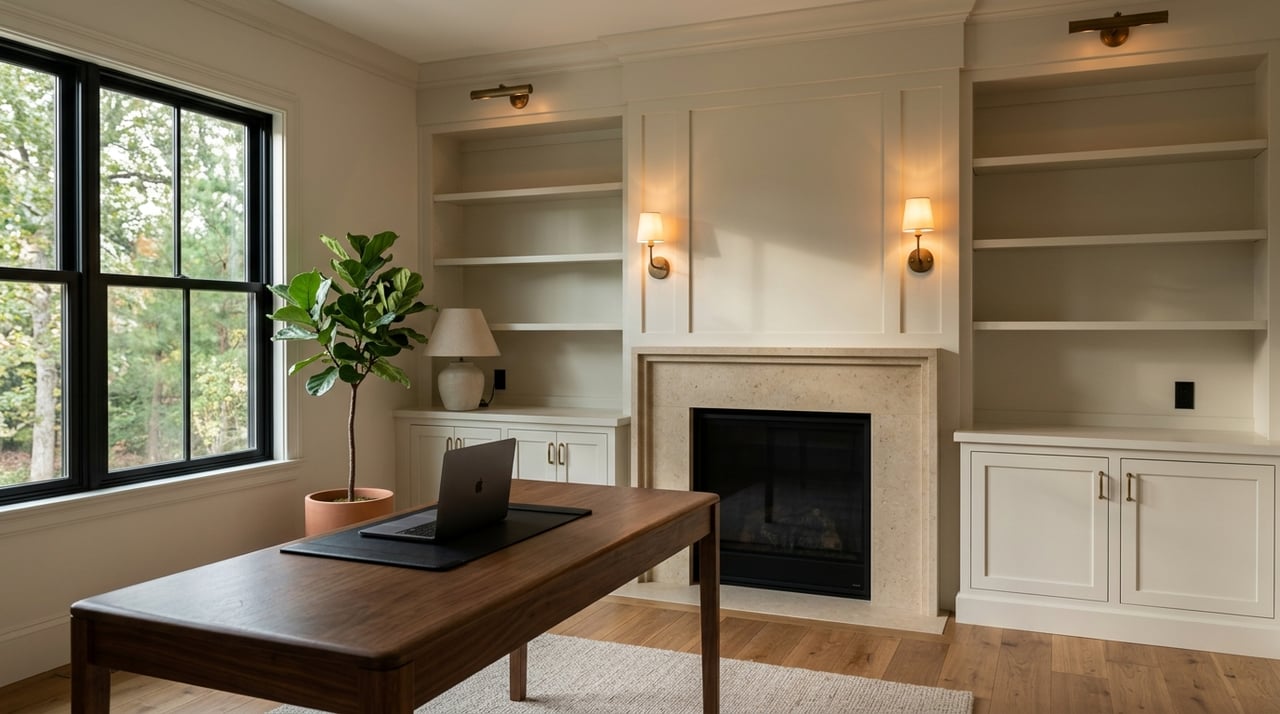
- Lamps that add warmth and better scale
- Mirrors that reflect light and open up a room
- Pillows that soften and unify furniture
- Art that gives a room structure without feeling personal
- Occasional tables or accent chairs that improve flow
This approach works especially well in High Point because local stores offer a broad mix of styles and price points. You can create a more elevated listing presentation without overbuying or taking on a full decorating project.
Match Resources to Your Budget
High Point offers design resources that can fit different levels of spending and different levels of polish. The key is choosing stores that match your listing goals.
For elevated finishing details
Beeson Decorative, a downtown High Point showroom that has operated since 1883, offers more than 10,000 items and is known for high-end luxury pieces with personal attention. For sellers, this type of resource can be useful when a room already has strong furniture but needs refined finishing details to feel complete.
For warmth and texture
Capa Home offers handmade rugs, rustic furniture, lamps, pillows, and accessories. If your home needs a more layered and welcoming feel, this kind of inventory can help soften a room and make it feel more lived in without looking cluttered.
For flexible whole-room updates
High Point Furniture Sales emphasizes competitive retail pricing, access to more than 150 manufacturers, and the ability to furnish one room or an entire home. That makes it a practical option if your listing needs more than small accessories and would benefit from broader presentation improvements.
For budget-conscious staging help
High Point Discount Furniture offers brand-name furniture with value pricing. For sellers trying to improve a vacant room, update a worn space, or add a few overflow pieces without stretching the budget, this can be a helpful option.
Follow Current Design Cues Carefully
Current High Point Market trend coverage points toward a mix of heritage and organic design. Reported materials and themes include weathered antiques, carved wood, raw stone, clay, linen, botanical forms, rich textiles, and ornamentation.
Style Spotters add another useful layer, highlighting sleek lines, tactile materials, thoughtful craftsmanship, sculptural silhouettes, organic wood, and selective color or pattern. For most sellers, the practical takeaway is simple: aim for a layered, textural, slightly elevated-natural look.
That does not mean every room should be dramatic or trend-heavy. Buyers usually respond best when a home feels calm, clean, and current, with enough style to feel special but not so much that it becomes distracting.
Prioritize the Rooms That Matter Most
If you are deciding where to spend time and money, focus first on the spaces that typically have the biggest impact. The National Association of Realtors says the most important rooms to stage are the living room, primary bedroom, kitchen, dining room, and outdoor spaces.
That priority list makes sense because these are the spaces where buyers tend to imagine daily life. They are also the rooms that show up repeatedly in listing photos, showings, and buyer conversations.
Living room
Your living room should feel open, balanced, and easy to use. A rug, better lighting, a simplified furniture layout, and a few textured accessories can make the room feel larger and more intentional.
Primary bedroom
The primary bedroom should feel restful and uncluttered. Neutral bedding, fewer personal items, and a calm color story can help the room read as a retreat rather than a storage space.
Kitchen and dining room
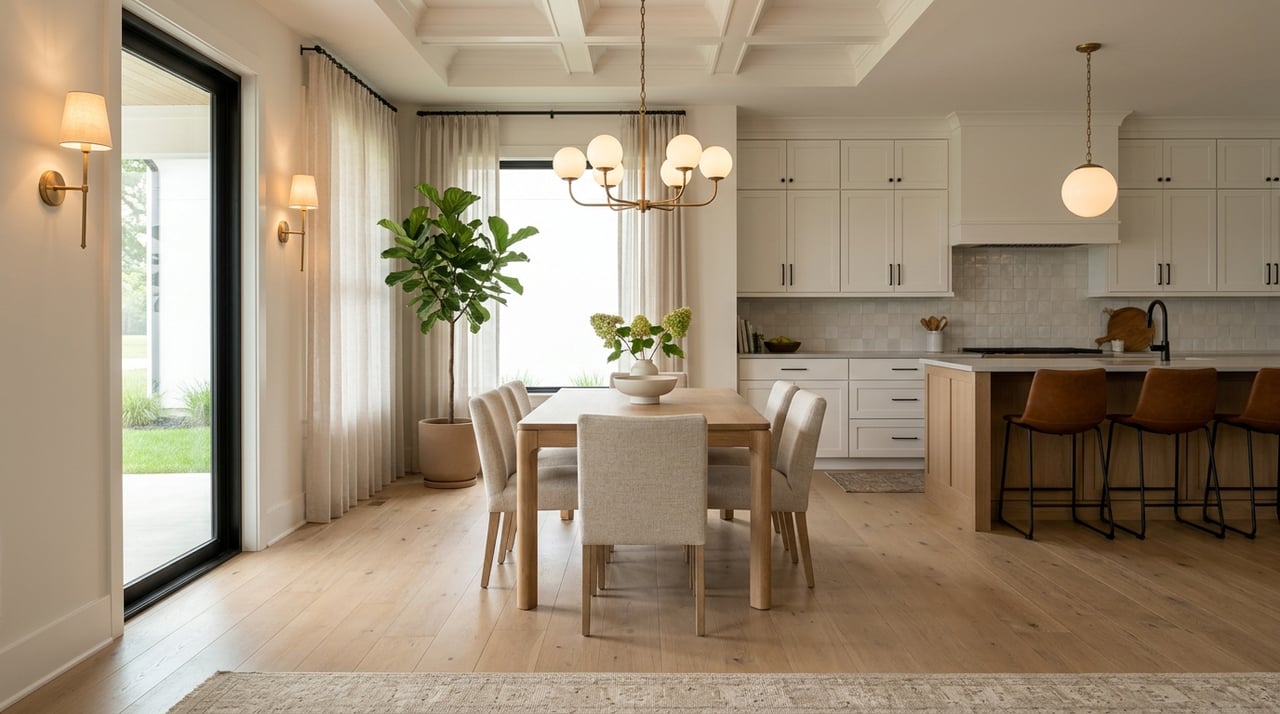
These areas benefit from clean surfaces, subtle styling, and a strong sense of function. A simple runner, updated stools, a bowl or tray, and better lighting can add warmth without making the space feel busy.
Outdoor spaces
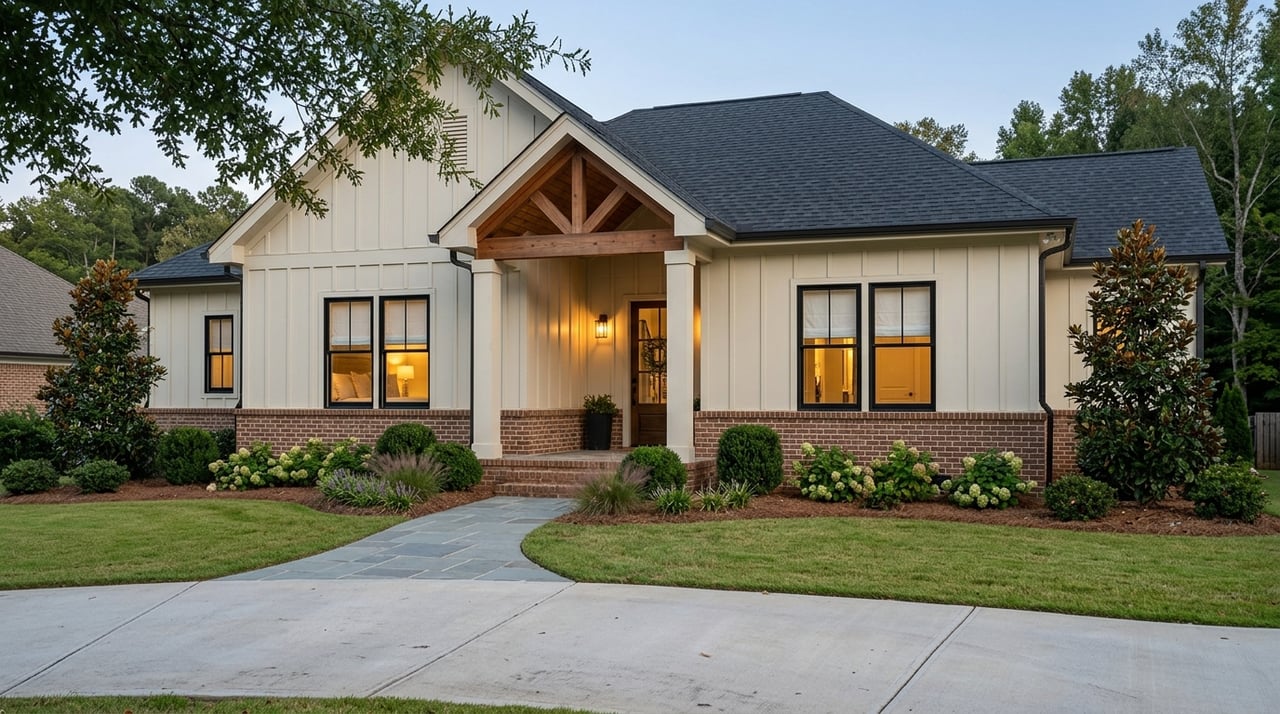
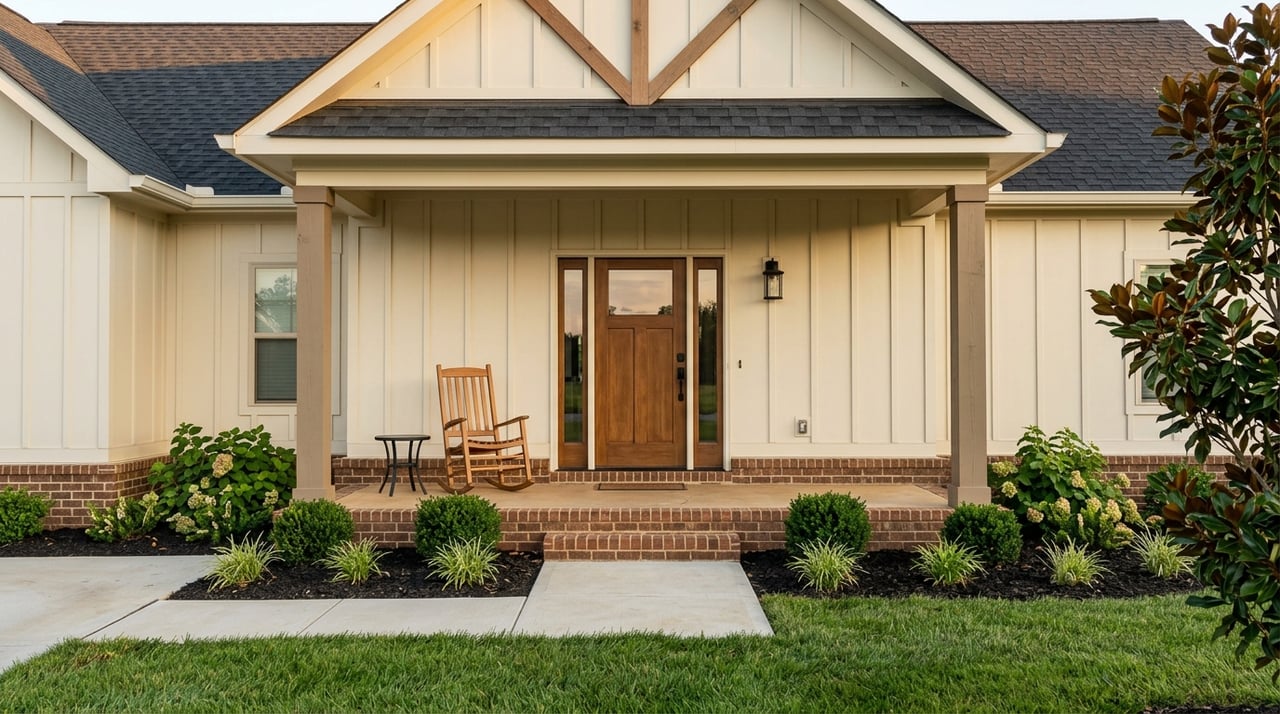
Outdoor living matters because buyers look for usable space beyond the interior walls. Fresh cushions, a tidy seating area, clean walkways, and simple planters can help outdoor spaces feel ready to enjoy.
Do the Basics Before You Style
Even in a design-driven city, staging does not replace the fundamentals. According to NAR, common recommendations when formal staging is not in the budget include decluttering, full-home cleaning, curb appeal, professional photos, minor repairs, paint touch-ups, landscaping, depersonalizing, and keeping pets out of showings.
These basics create the foundation for any design update. If the home is clean, bright, and well maintained, even modest styling choices tend to have more impact.
A smart prep sequence often looks like this:
- Declutter every room
- Complete cleaning and minor repairs
- Touch up paint where needed
- Improve curb appeal and landscaping
- Remove overly personal items
- Add a few targeted design pieces
- Finish with professional photography
Avoid Common Seller Mistakes
When you have access to so many local design resources, it can be tempting to do too much. In most cases, restraint works better than over-styling.
Try to avoid these common mistakes:
- Buying large furniture that makes rooms feel smaller
- Choosing bold themes that distract from the home itself
- Filling every surface with accessories
- Mixing too many styles in one space
- Spending heavily in low-impact rooms before key rooms are ready
- Assuming High Point Market itself is open for casual consumer shopping
The best listing presentation usually feels effortless. Buyers should notice the home first and the decor second.
Build a Listing-Ready Look
If you want a practical High Point-specific strategy, think in layers. Start with the condition of the home, then improve layout and light, then add a few design-forward pieces that support the architecture and flow of each room.
In many homes, that might mean a new rug in the living room, better lamps in the primary bedroom, a mirror in the entry, fresh pillows on key seating, and a few occasional pieces that help rooms feel finished. These small updates can create a polished listing package without turning the preparation process into a major renovation.
Why Expert Guidance Helps
The biggest challenge for many sellers is not finding inspiration. It is knowing where to stop, what to spend, and which updates will actually help the sale.
That is where an experienced listing strategy matters. When your design choices align with pricing, photography, and buyer expectations, your home is better positioned to make a strong impression online and in person.
If you are preparing to sell and want a thoughtful plan for presentation, pricing, and marketing, Darlene (Sharon) Teeter can help you create a polished listing strategy built to attract serious buyers.
FAQs
How can High Point design resources help with selling a home?
- High Point offers public furniture stores, outlets, design tools, and year-round showroom access that can help you improve your home’s presentation with targeted updates such as rugs, lamps, mirrors, pillows, art, and accent pieces.
Can consumers shop High Point Market for home staging?
- No. High Point Market is trade only, so sellers should use public-facing local retailers, Visit High Point planning tools, HPxD member showrooms, and design access programs instead.
Which rooms should High Point sellers stage first?
- Based on NAR guidance, focus first on the living room, primary bedroom, kitchen, dining room, and outdoor spaces because these rooms often have the strongest impact on buyers.
What design style works best for staging a High Point home?
- A layered, textural, slightly elevated-natural look often works well, using elements like linen, wood, sculptural shapes, and selective color while keeping the overall feel clean, calm, and inviting.
What should sellers do before buying staging decor in High Point?
- Start with decluttering, deep cleaning, minor repairs, paint touch-ups, depersonalizing, curb appeal, and landscaping so any design updates build on a clean and well-prepared foundation.