Every guide to Charlotte's hot neighborhoods says the same thing about NoDa: fast, competitive, under three weeks to a signed contract. That advice was true in 2024. It is not true now, and the gap between what buyers expect walking into NoDa and what the current numbers show is exactly the kind of thing that trips people up mid-search.
Here is the contradiction worth sitting with. Over the three months ending May 2026, NoDa's median sale price climbed 6.3% year over year to about $520,000. In that same window, homes there took an average of 70 days to sell, nearly double the 41 days from a year earlier. A neighborhood does not usually get more expensive and slower at the same time. Rising prices are supposed to mean more buyers chasing fewer homes, which should also mean faster sales. NoDa is doing both at once, and understanding why matters more than the headline price if you're actually choosing between Charlotte neighborhoods right now.
The Advice That Hasn't Caught Up
Search for South End or NoDa market conditions and most of what comes back cites days-on-market figures from 2024, when both neighborhoods were routinely closing in under 20 days. That number gets repeated because it's easy to find and because it confirms what everyone assumes about Charlotte's light-rail corridor: walkable, transit-connected, always in demand, always fast.
South End has largely held that pattern. Listings there still tend to move within about two weeks, condos and townhomes especially, and the neighborhood's median value sits around $525,000. NoDa hasn't. The two neighborhoods get lumped together in almost every market summary as if they behave identically. As of mid-2026, they don't.
What the Numbers Actually Show
| Neighborhood | Median Price (recent) | Average Days on Market | Homes Sold, May 2026 |
|---|---|---|---|
| NoDa | ~$520,000 (3 mo. ending May '26, up 6.3% YoY) | 70 days (vs. 41 days a year earlier) | 30 (down from 35 a year earlier) |
| South End | ~$525,000 | About 2 weeks | Not separately reported |
| Charlotte metro | ~$435,000 (3 mo. ending May '26) | 48 days | 3,215 |
NoDa isn't just slower than it used to be. As of that same window, it's slower than the Charlotte metro average, a city where the overall market has already cooled substantially from its pandemic-era pace. That's the detail that gets lost when a neighborhood keeps its reputation as a "hot" submarket long after the numbers have moved.
Canopy Realtor Association's 2026 president, Joan B. Goode, described the broader Charlotte market as one that is "settling into more traditional seasonal patterns," a shift from the anything-goes tempo of 2021 through 2023. NoDa's slowdown fits that story, but the price increase running alongside it doesn't fit the usual explanation for a cooling market. Prices don't normally keep climbing while a neighborhood takes twice as long to sell.
Why Price and Speed Are Splitting Apart
The explanation is in the transaction count, not the price tag. NoDa sold 30 homes in May 2026, down from 35 the year before. That's a small number to begin with, and a shrinking one. When fewer transactions are closing, the median price becomes far more sensitive to which specific homes happen to sell in a given month.
If the homes that close in NoDa this year skew toward renovated bungalows and newer infill construction, properties that already command the top of the price range, the median rises even if the broader pool of NoDa listings is sitting untouched. Meanwhile the homes that need work, or that are priced ambitiously by owners who remember 2021, are the ones stretching the average days-on-market number upward. You get a rising median and a slower average at the same time, not because demand is up across the board, but because the mix of what's actually selling has narrowed toward the higher end.
This is a different story than "NoDa is booming" or "NoDa is cooling." It's a neighborhood where fewer, pricier transactions are setting the tone, while a larger share of listings wait longer than they used to. That distinction changes how a buyer should approach it. Going in expecting the multiple-offer, move-fast environment that defined NoDa two years ago means being unprepared for a listing that's been sitting for two months, and possibly overpaying for it out of habit.
Where the Spillover Money Is Going
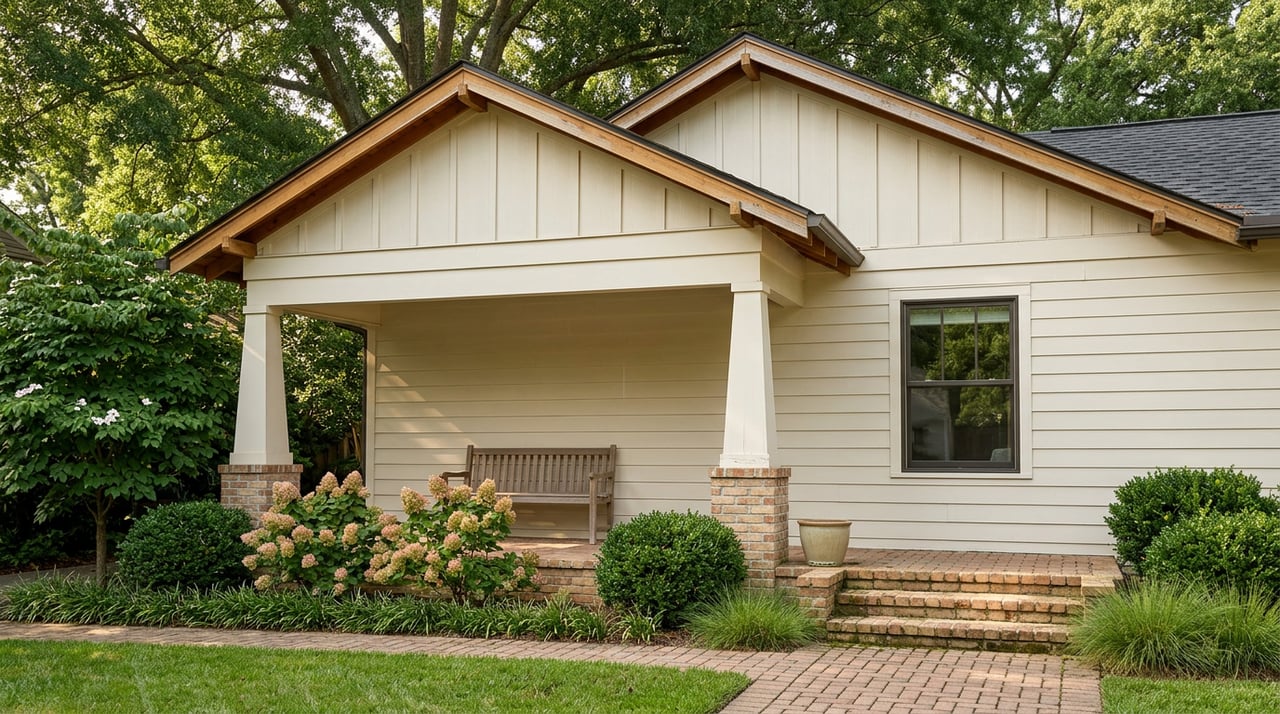
Buyers who want NoDa's character without NoDa's math have started moving into the neighborhoods around it. Villa Heights, which borders NoDa to the east, has been absorbing demand from buyers priced out of the arts district itself. The housing stock is similar, older craftsman and bungalow-style homes in varying states of renovation, but prices there typically run $50,000 to $80,000 below comparable homes in NoDa. Villa Heights doesn't have NoDa's restaurant and retail density within its own borders, but NoDa itself is walkable from most of the neighborhood, so the tradeoff is proximity without paying the premium for being inside the boundary line.
Optimist Park, sitting between NoDa and Uptown, has followed a similar pattern. New townhome development has filled in gaps in the neighborhood over the past two years, and the LYNX Blue Line's 25th Street station gives it a legitimate transit option without NoDa pricing. Buyers looking at this corridor are increasingly comparing three or four adjacent neighborhoods rather than fixating on one, which is a more useful way to shop than treating NoDa as the only option in that part of the city.
The wider price range across Charlotte makes the stakes of that comparison clearer. Price per square foot in the metro varies from under $180 in outer suburbs like Steele Creek to more than $350 in premium urban neighborhoods like South End and Dilworth, a spread that reflects walkability and transit access more than square footage or lot size. NoDa sits in the middle of that range, which is part of why its current slowdown is worth watching rather than dismissing as noise.
What This Means If You're Actually Comparing Neighborhoods
If NoDa is on your shortlist, the useful question isn't "is it still hot," it's "which homes in NoDa are actually moving, and at what price." A renovated bungalow near the Blue Line is behaving nothing like an unrenovated one three blocks off the transit corridor, and the median price doesn't tell you which one you're looking at. Ask how long a specific listing has actually been on the market, not what the neighborhood average implies it should be.
If you want NoDa's walkability and food scene without NoDa's current price ceiling, Villa Heights and Optimist Park are worth a serious look rather than a footnote. Both put you within walking distance of the same amenities at a real discount, and both have enough new construction and infill activity happening that they're not simply cheaper versions of NoDa, they have their own momentum.
And if speed matters more to you than character, South End is still behaving the way NoDa used to. A two-week close is a real advantage if you're on a timeline, and it's worth knowing that the two neighborhoods, so often described as a pair, are no longer moving at the same pace.
A Few Common Questions
Is NoDa still a good place to buy in 2026? The neighborhood's fundamentals, transit access, walkability, and character, haven't changed. What's changed is the pace and the pool of homes actually selling. It's a good buy for someone who understands they're likely negotiating with more room than NoDa offered two years ago, not for someone expecting a bidding war.
Why doesn't the median price reflect a slower market? Because the median only reflects what actually closed, not what's sitting unsold. With fewer transactions, a handful of higher-end sales can pull the median up even while the broader market cools.
Are Villa Heights and Optimist Park good alternatives to NoDa? For buyers prioritizing walkable access to NoDa's restaurants and retail without paying NoDa prices, both have become legitimate options, backed by real infill construction and transit access rather than just proximity.
If you're weighing NoDa against its neighbors, or trying to figure out what a specific listing's time on market actually tells you, that's a conversation worth having before you write an offer. Darlene (Sharon) Teeter works with relocating professionals and lifestyle buyers across the Charlotte and Lake Norman corridor and can walk you through what the current numbers mean for the specific neighborhood you're considering. Reach out to schedule a free consultation.